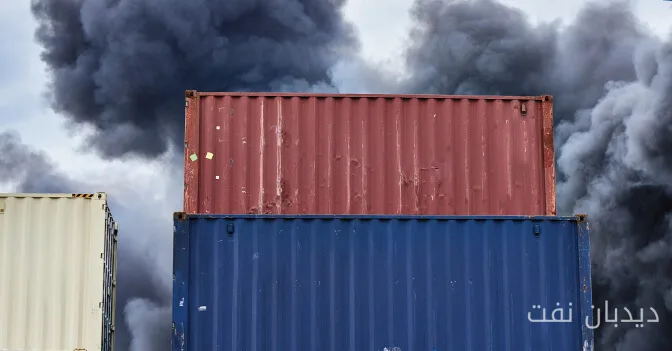
Military movements in the waters of Hormuz and the Black Sea have significantly increased in the past week. These two regions, as theaters of naval warfare, have brought new concerns for tanker owners.
Sanctions and Their Consequences
In a conference in Saudi Arabia, the U.S. Energy Secretary mentioned the possibility of easing sanctions on certain shadow tankers. This could have a significant impact on transportation rates, which are currently very high. Given the current energy market conditions, these decisions could have various economic and political implications.
Read more: Discovery of an Oil Shipment in South Khorasan Worth One Trillion Tomans
New Deals in the Energy Industry
In another news, Aegis Logistics of India has signed an agreement to purchase 89.8% of Dubai-based Tristar for $809 million. This agreement allows Aegis to gain control of a global energy logistics group with significant operations in tanker transportation and dry cargo.
Additionally, A.P. Moller Capital has reached an agreement to gain full control over the Singapore-based terminal operator Portek International from the Japanese trading company Mitsui & Co. These developments signify a new era in the energy transportation and logistics industry.
Technological Challenges and Innovation
In the maritime technology sector, a survey of maritime IT managers indicates growing dissatisfaction with software that traps data and necessitates repetitive data entry. These challenges could negatively impact efficiency and productivity in the industry.
These developments together provide a clearer picture of the current state of the energy and maritime transportation industry and highlight the new challenges and opportunities emerging in this field.
Read more: Increase in Attacks on Ships in the Strait of Hormuz to Highest Level Since the War · The U.S. is Seeking to Reduce Sanctions on Tankers Carrying Oil from Iran and Russia