UN member countries are currently negotiating to approve a plan aimed at ending bottom trawling in seamounts located in international waters by the end of ٢٠٢٧. This action is recognized as a fundamental step towards protecting vulnerable marine habitats.
Damages Caused by Bottom Trawling
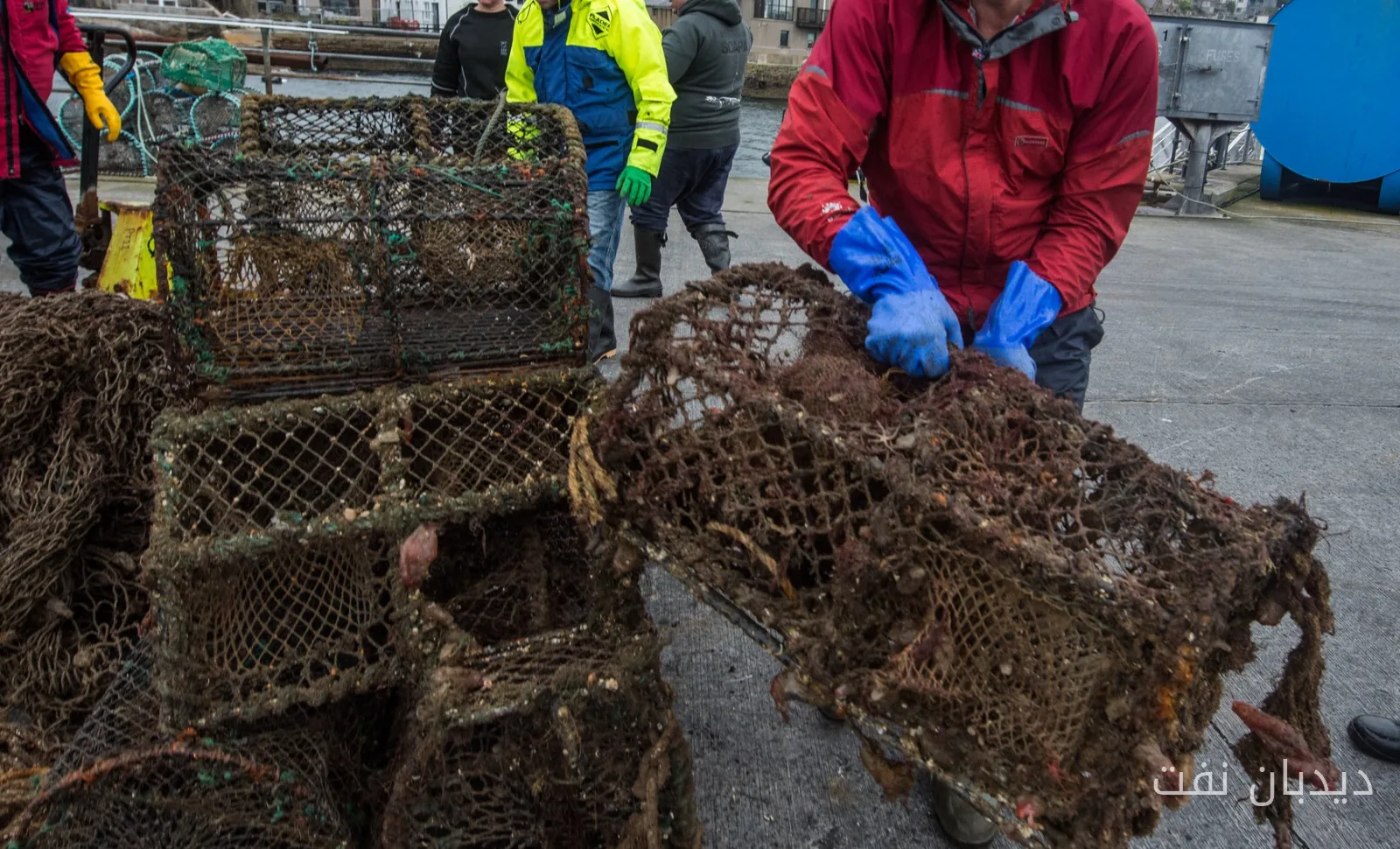
Bottom trawling involves dragging large, heavy nets across the seabed to collect commercially valuable species such as orange roughy and toothfish. This fishing method not only affects target species but also damages marine ecosystems. The fishing nets can be between ٨٠ to ٢٠٠ meters wide and are kept open with heavy metal doors weighing up to five tons.
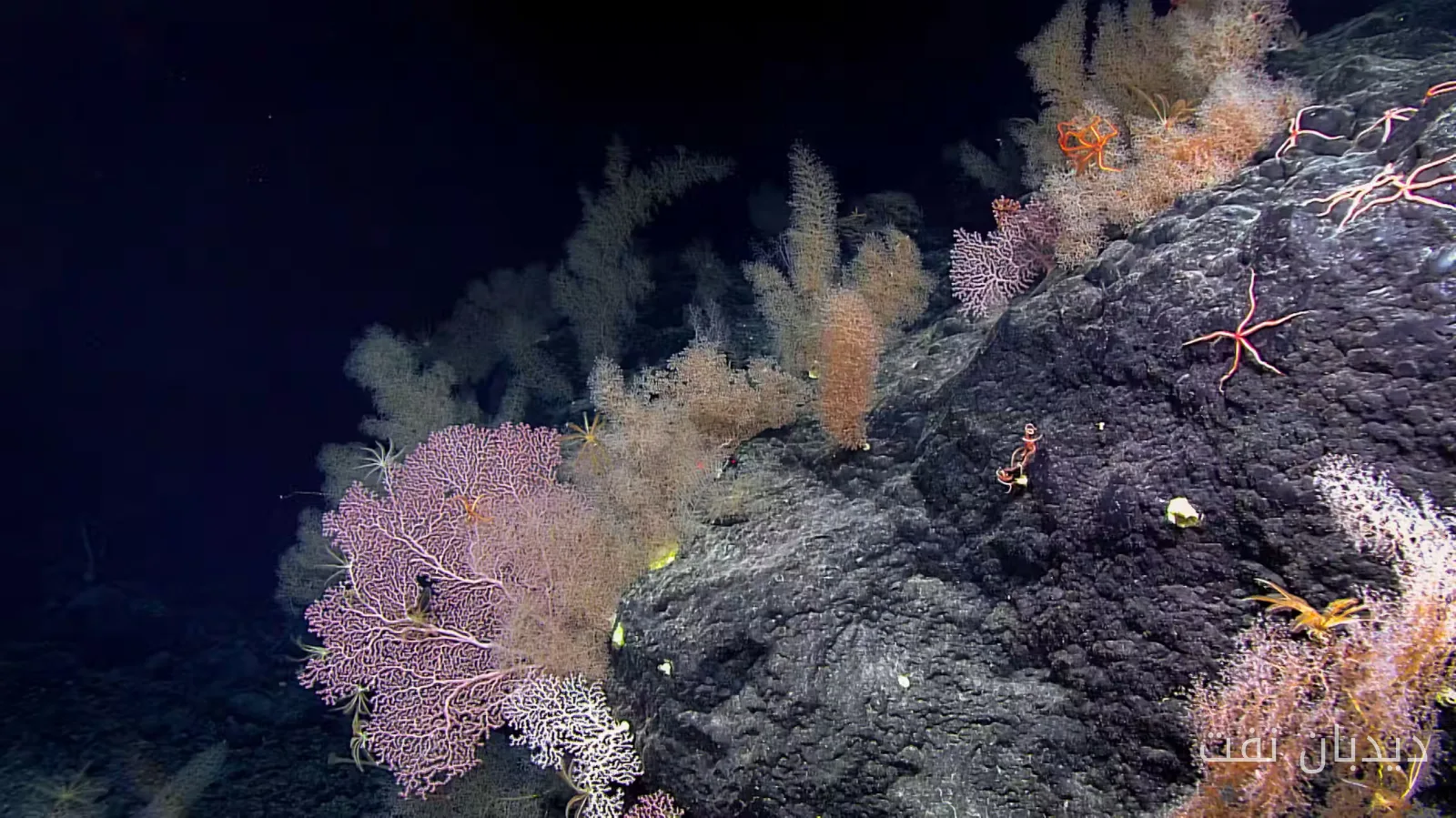
Seamounts, sometimes referred to as oases in the ocean, provide diverse habitats for marine creatures such as fish, turtles, and whales. However, bottom trawling leads to the destruction of these habitats and the extinction of marine species that can live for centuries or even millennia. Scientific evidence shows that no seamount has fully recovered after bottom trawling has ceased.
Progress and Challenges
The United Nations first called for the protection of vulnerable marine ecosystems, including seamounts, in ٢٠٠٢. However, despite these efforts, nearly all seamounts in international waters remain at risk of bottom trawling. Currently, only ١.٥% of seamounts are protected, and areas such as the South Pacific continue to be fished.
In the past two years, environmental protection organizations, including the International Union for Conservation of Nature, have called for the protection of these mountains. Additionally, new agreements regarding the protection of marine life in international waters have been ratified, which could help strengthen these efforts.
Countries like Australia, which have consistently taken a strong stance against bottom trawling in international waters, play a significant role in these negotiations. This negotiation presents a unique opportunity to advance the protection of seamounts and reduce this damaging fishing method.
Read more: Implementation of the Alliance Plan in Isfahan to Reduce Fuel Consumption Begins · Arrest of Two Greenpeace Activists at the Scarborough Gas Platform in Australia