More than 10 percent of loaded units in 2025 have been inspected by government officials and found to have safety defects. This indicates an ongoing problem with the declaration, packaging, and securing of cargo before it reaches the ships.
Identified Defects in Inspections
According to a report published by the Global Maritime Transport Council, officials in seven countries inspected 93,079 cargo transport units in 2025 and identified defects in 9,645 units, which is equivalent to 10.36 percent. These issues include incorrect documentation, improper marking and packaging, and inadequate securing of cargo. These defects can lead to cargo damage, loss of containers at sea, and fires at sea.
Read more: Integra Resources (ITRG) with record production, but at what cost?
Increase in Fires in Maritime Transport
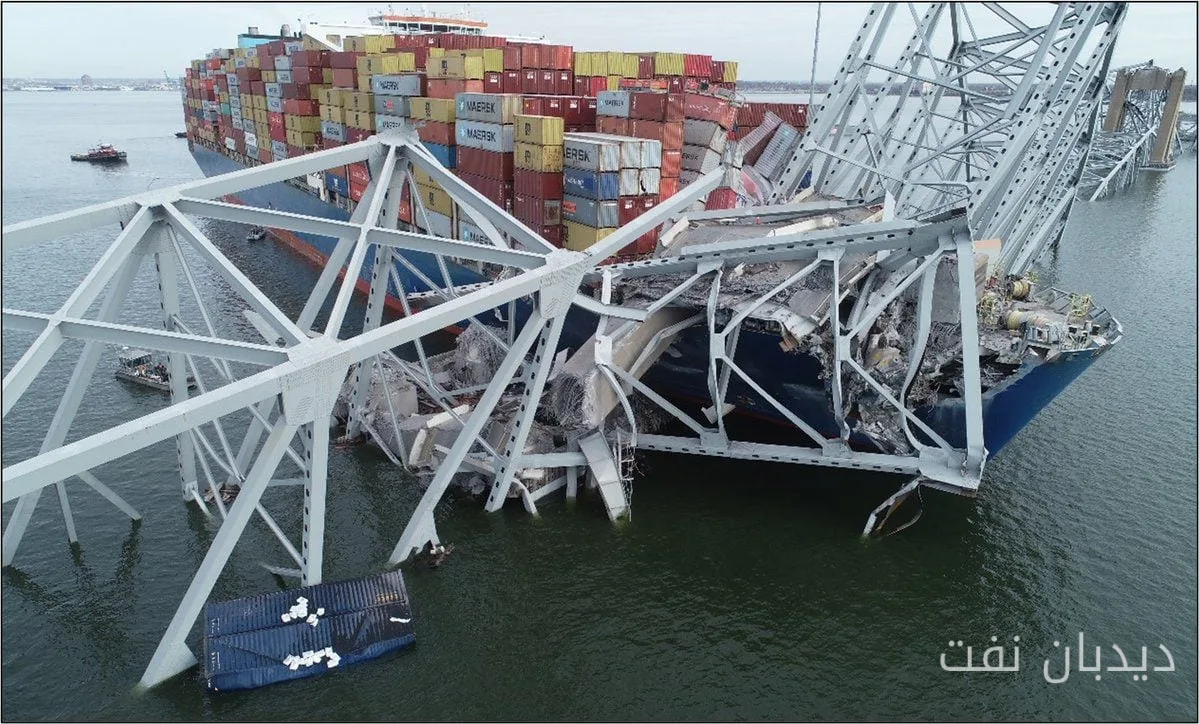
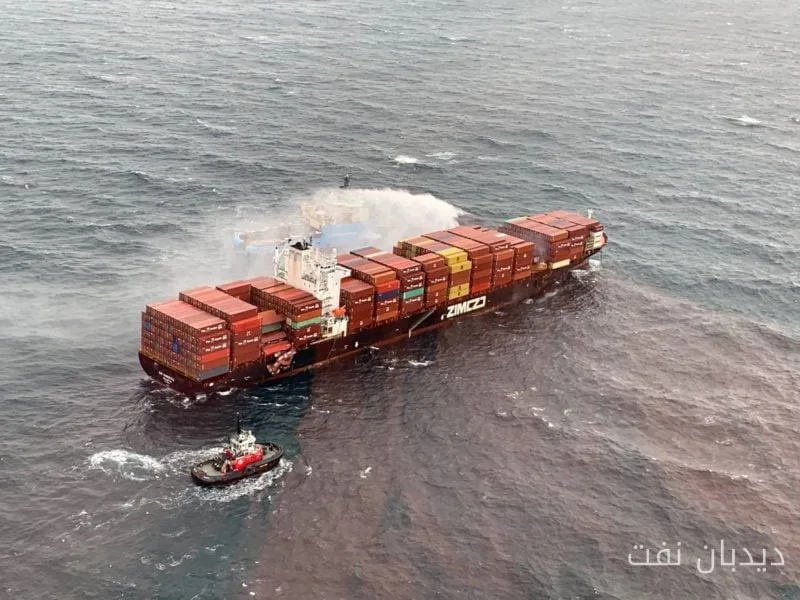
These findings are released as the container transport industry continues to struggle with fires related to incorrectly declared or packaged cargo. According to data from the Maritime Transport Council, a fire on container ships currently occurs approximately every 17 days somewhere in the world. Undeclared cargo, including chemicals and lithium-ion batteries, remains one of the main factors contributing to cargo-related incidents.
Failure to declare cargo at sea can be especially dangerous, as it may lead to hazardous containers being placed in inappropriate locations for their contents. This issue is particularly serious for lithium-ion battery cargo, as fires caused by them are not easily controllable.
Inspection data reports have been submitted to the International Maritime Organization (IMO) by Chile, Finland, Germany, the Netherlands, South Korea, Sweden, and the United States. This is while only seven countries out of more than 170 IMO member countries have reported inspection results.
According to the Chairman of the Maritime Transport Council, Greg Stanton, member countries have a responsibility to enforce cargo safety regulations. Weakness in reporting inspection results indicates the need for greater attention to cargo safety in maritime transport.
In response to these challenges, the Maritime Transport Council has launched a program called the "Cargo Safety Program," which includes shared technologies for screening, standard inspection procedures, and feedback from physical inspections. However, this program does not absolve cargo stakeholders of their responsibilities regarding accurate declaration and securing of cargo.
Read more: Continuation of Iran's agricultural exports to neighboring countries in 2025 · Growth trend of Tsakos Energy Navigation in the first half of 2026