Middle East oil exports have returned to the levels prior to the start of the U.S. and Israel's war against Iran. According to statistics from Kpler, the average daily exports of Gulf oil producers in the week ending October 18 reached 24.6 million barrels, surpassing the pre-war average of 23.3 million barrels.
Oil Export Developments in the Gulf
These figures indicate a return to the highest level of oil exports since mid-February. This situation harkens back to the days before the U.S. and Israeli attacks on Iran when oil exports from the world's largest energy production hub faced serious disruptions. Data shows that exports have fluctuated much more severely compared to the pre-war period.
Read more: Akbar Mirzapur Appointed as CEO of Iranol Oil
New Routes and Sanctions
This data not only includes shipments passing through the Strait of Hormuz but also ship-to-ship transfers near this waterway and oil flows from the Red Sea ports. Despite the overall return of export volumes, shipments that pass directly through the Strait of Hormuz are still more than one-third lower than pre-war levels. This indicates the remaining challenges in Middle East oil exports.
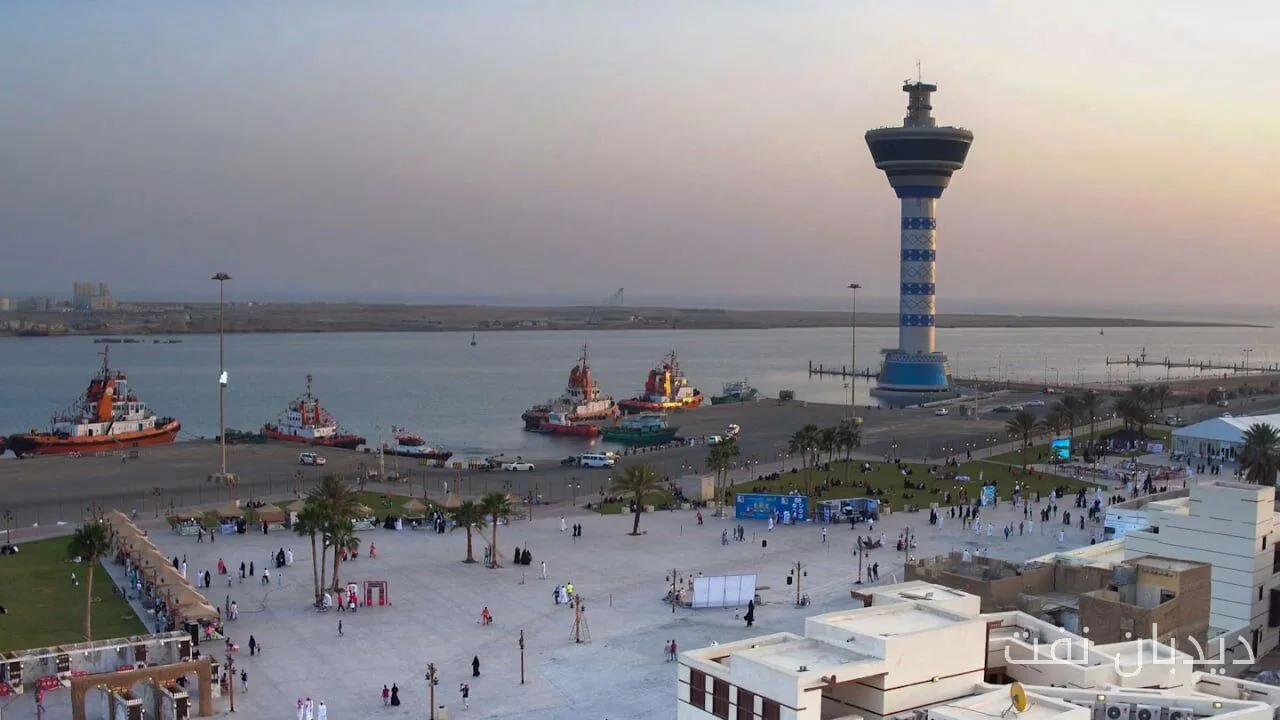
Despite the renewed boom in regional exports, oil prices have been rising in recent months. Signs of pressure on the market for some fuel products are evident, and Brent crude reached its highest price since May on October 20. In response to the targeting of vessels in the Gulf, Saudi Arabia has exported a significant portion of its oil through the Yanbu port in the Red Sea.
Risks and Challenges of Exports
Exports from this alternative route have repeatedly faced declines following sporadic attacks on the pipeline leading to the port and surrounding vessels. For example, after the mid-September attack on the pipeline connected to Yanbu, export flows decreased, although after the completion of repairs by Aramco, the volume of transfers returned to normal. Middle East oil exports in the current month of October have remained robust despite an increase in attacks on vessels.
According to the UK Maritime Trade Operations Center, the number of attacks on ships in this region reached 28 in October, while 18 attacks were recorded throughout September. This data reflects the complex and hazardous conditions in the Gulf region that impact oil exports.
Read more: UK Government Approves Jackdaw Gas Project After Years of Legal Delays · Mohammad Ali Dehghani Dehnoei: 10 Solutions to Remove Export Barriers