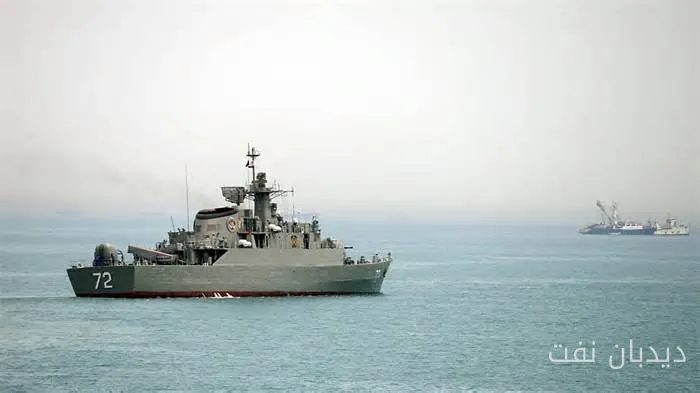
In his analysis, Max Boot discusses the status of Iran's oil exports and the impact of U.S. sanctions on the country. He notes that Donald Trump's war with Iran has entered its eighth month and addresses recent developments in the oil market and their impact on the global economy and Iran.
Status of Oil Exports and the Impact of Sanctions
Boot writes that a larger volume of Middle Eastern oil, excluding Iranian oil, is reaching global markets. Estimates from the private company Kpler indicate that crude oil exports in September have reached about 70% of pre-war levels. Meanwhile, major oil producers allied with the U.S. have been exporting around 13 million barrels of oil daily.
Read more: Reduction of Training Requirements for Sailors by the U.S. Coast Guard
In contrast, since the imposition of the oil blockade by the U.S. Navy in July, Iran has been unable to pass its exported oil through the Strait of Hormuz. Boot references Trump's statements that Washington has "almost complete control" over the Strait of Hormuz and claims that the U.S. will "win" the war with Iran "very soon."
Economic and Military Consequences
Boot points out that while the increase in oil exports is a positive development for Washington, it cannot be seen as a sign of Iran's readiness to accept Trump's demands. According to him, the demands, which include ending Iran's nuclear and missile programs and stopping Tehran's support for proxy groups in the region, remain unchanged.
Recent developments must be assessed within a broader framework. Boot asks, if oil is flowing this freely now, why is the price of Brent crude still above $100 per barrel? This price is significantly higher than pre-war levels and reflects the economic pressure caused by rising energy prices.
Additionally, Boot notes the sharp increase in fuel prices in the U.S. The average price of gasoline has reached $4.47 per gallon, indicating a significant rise compared to pre-war levels. The G7 countries have also announced that due to this economic pressure, they will release 100 million barrels of diesel and crude oil from their strategic reserves over the next four months.
However, Boot believes that the Strait of Hormuz remains a perilous route for maritime trade, and Iran continues to attack ships. Currently, most of the increase in oil exports is taking place through alternative routes, which also incur higher costs.
Ultimately, Max Boot concludes that although the global economic shock from the war has somewhat diminished, the economic crisis for Iran is far more severe than in other parts of the world. He estimates Iran's inflation rate to be on average over 80% and emphasizes that there is no sign that economic pressure on the Iranian people could force the regime to surrender.
Read more: Baghaei: Seven Conditions of the Islamic Republic for Opening the Strait of Hormuz · Japan Implements First Maritime Sanctions Against Russia



