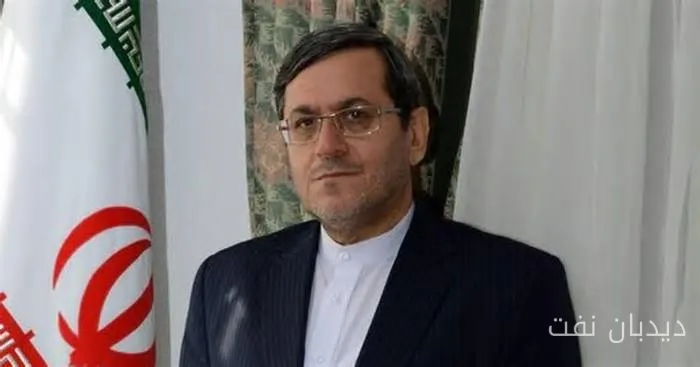
Baghaei elaborated on the seven conditions of the Islamic Republic for the opening of the Strait of Hormuz at a press conference and emphasized that these conditions require actions from the United States. He stated that securing this strategic waterway necessitates positive steps from the U.S. and a return to its commitments within the framework of the Islamabad agreement.
Conditions of the Islamic Republic for the Reopening of the Strait of Hormuz
Baghaei said: "The U.S. response revolves around nuclear issues, while we have clearly stated that our focus is on the Strait of Hormuz." He pointed out that the Islamic Republic has provided its response to the recent U.S. proposal and expects these proposals to be compatible with the realities on the ground in the region.
Read more: Reza Taghipour: The Strait of Hormuz is not just an oil route, internet cables also pass through
According to Baghaei's statements, the Iranian government proposed on September 25 that in exchange for lifting the maritime blockade, issuing a sanctions exemption for oil sales, and establishing a ceasefire that includes Lebanon, the Strait of Hormuz would be reopened. These proposals were made under the circumstances where Donald Trump, the President of the United States, has considered the economic pressure from the maritime blockade as a factor to compel Tehran to make this proposal.
Response to U.S. Military Movements
During the meeting, Baghaei reacted to the deployment of new U.S. military forces and equipment to the region, stating: "The Iranian government will continue to strengthen its defensive capabilities." He warned that if the territory of regional countries is used again for attacks against the Islamic Republic, Tehran will "definitely respond in a different manner."
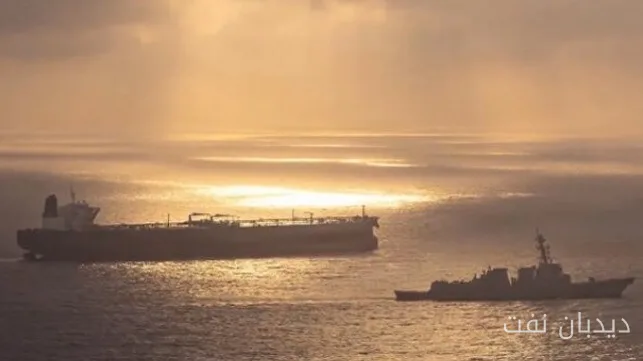
These statements come as the Associated Press reported that the U.S. military is deploying about 9,000 troops along with warships to the Middle East. This military buildup could increase the number of U.S. aircraft carriers in the region to three by the end of October.
The U.S. government has also hinted at speculation regarding the possibility of renewed large-scale attacks against the Islamic Republic, and Trump did not rule out the resumption of such attacks in an interview. He stated that Tehran will ultimately be compelled to respond positively to Washington's nuclear conditions.
In response to a question about the possibility of new operations against the Houthis, Baghaei stated that any new intervention in Yemen's developments would complicate the situation further. He also referred to the Makkah defense agreement, which stipulates that an armed attack on any member country is considered an attack on all members.
Read more: Britain imposed new sanctions on eight Russian ships · Reza Sepahvand: Fuel cards will be linked to bank cards by the end of the year