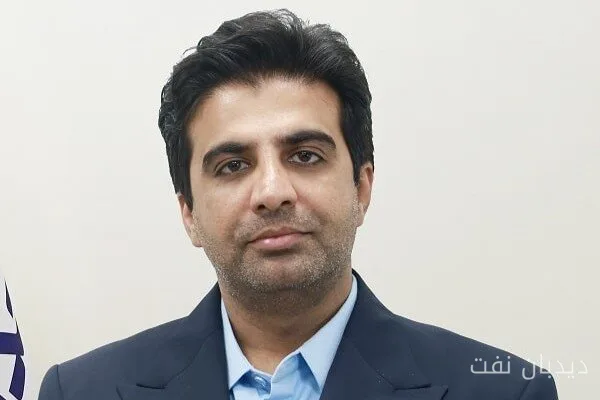
Masoud Dirbaz, one of the experienced managers in the electricity industry, pointed out the roots of the electricity imbalance and emphasized that the solution to this problem is only possible through correct policymaking in the energy economy sector. He stated that the energy economy currently lacks a specific authority, which has led to serious limitations in investment in the electricity industry.
Investment and Economic Attractiveness
Dirbaz emphasized that investors compare various investment options, saying: "When the selling price of electricity from power plants has not changed much in recent years, the attractiveness of investment in this area decreases." He noted that investors are moving towards industries such as petrochemicals and steel, which have export potential and thus offer higher returns for them.
Challenges of War and Electricity Production Infrastructure
Dirbaz also referred to the status of power plants in wartime conditions and the potential damage to electricity production infrastructure. He explained that the enemy's primary goals are military, and the energy production infrastructure, which is related to social issues, has not yet suffered serious damage. For example, the Persian Gulf power plant, located near the Strait of Hormuz, has remained safe from direct damage, and its electricity production continues normally.
This electricity industry expert pointed out that in wartime conditions, damage to the roads in Hormozgan province could delay the supply of power plant parts, stating: "Fortunately, no damage has been inflicted on the power plant so far, and its electricity production continues without any issues."
However, Dirbaz attributed the continued electricity imbalance to the lack of economic attractiveness and the absence of clear policies in this area. He said: "The investor must know how their return on investment will be, and currently, this information is not clear."
Ultimately, Dirbaz emphasized that solving the electricity imbalance requires proper policymaking and implementation in the energy economy sector. He noted that merely increasing electricity prices cannot solve the existing problems and that a comprehensive and integrated approach in this industry is necessary.