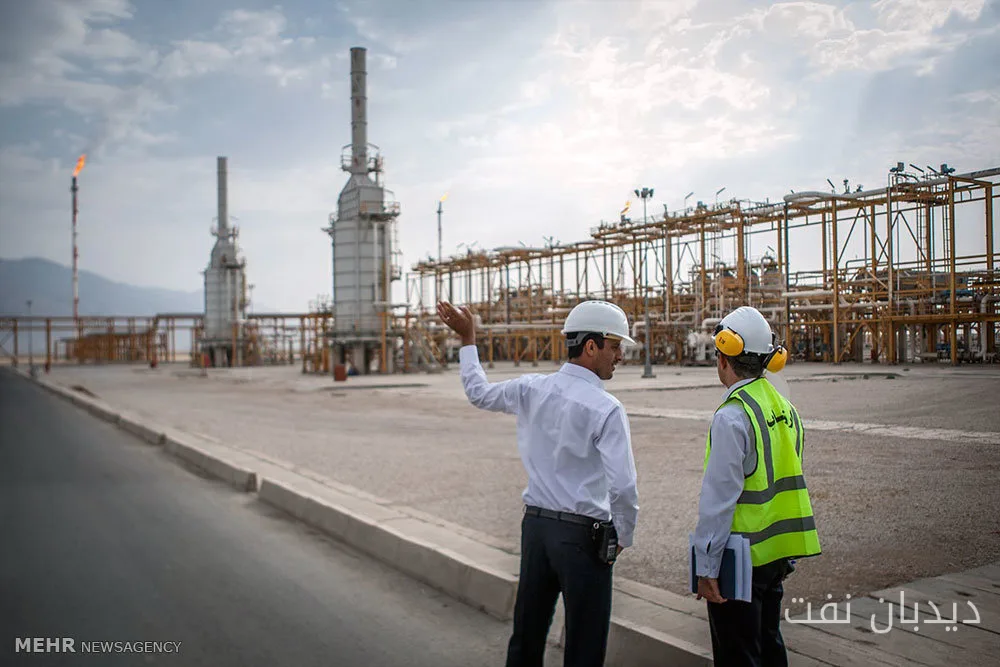
Alamdār Bābāyi, CEO of Parsian Gas Refinery, emphasized the importance of major repairs at this refinery and discussed the plans made to ensure a sustainable gas supply during the cold months of the year. These repairs aim to reduce the likelihood of disruptions in gas production and are scheduled based on the results of technical monitoring and equipment failure records.
Details of the Repairs Undertaken
Bābāyi explained that major repairs and technical inspections have been planned and executed for the third and fourth dehydration trains at Parsian 2 site and units 400, 500, and 800 at Parsian 1 site. The assessment of the technical condition of the equipment and the execution of major repairs are based on risk-based inspections (RBI) and fitness-for-service evaluations (FFS).
He also pointed out the necessity of maintaining maximum production during peak gas consumption days, stating: "The refinery's strategy to prevent sudden shutdowns focuses on preventive maintenance, reviewing failure records, and identifying critical equipment." In this regard, performance testing of the instrument air compressors, fire pumps, and water transfer pumps are among the actions taken.
Risk Management and Equipment Monitoring
Bābāyi considered risk management and continuous monitoring of equipment as effective factors in reducing unwanted shutdowns and increasing the availability of operational units, stating: "Continuous monitoring of operating conditions allows for the identification of early signs of failure." He also referred to the use of advanced technical inspection methods in the fixed equipment sector and added: "Risk analysis of equipment and decision-making regarding repairs or continued operation is based on technical assessments."
The CEO of Parsian Gas Refinery emphasized that the optimal use of the existing 36-inch line as a nitrogen reserve is also among the actions of this organization. Furthermore, continuous coordination among operational, maintenance, safety, and firefighting teams is pursued to ensure a rapid response to unforeseen conditions.
Finally, Bābāyi highlighted the role of domestic specialists in repairing equipment and supplying necessary parts for the refinery, stating: "Utilizing the expertise of specialists and the capabilities of domestic manufacturers has been effective in reducing equipment downtime and managing repair costs."
Read more: Reduction of Iran's oil exports under the influence of the Hormuz crisis and sanctions · Nationwide mobilization of the oil industry for sustainable energy supply in the cold season