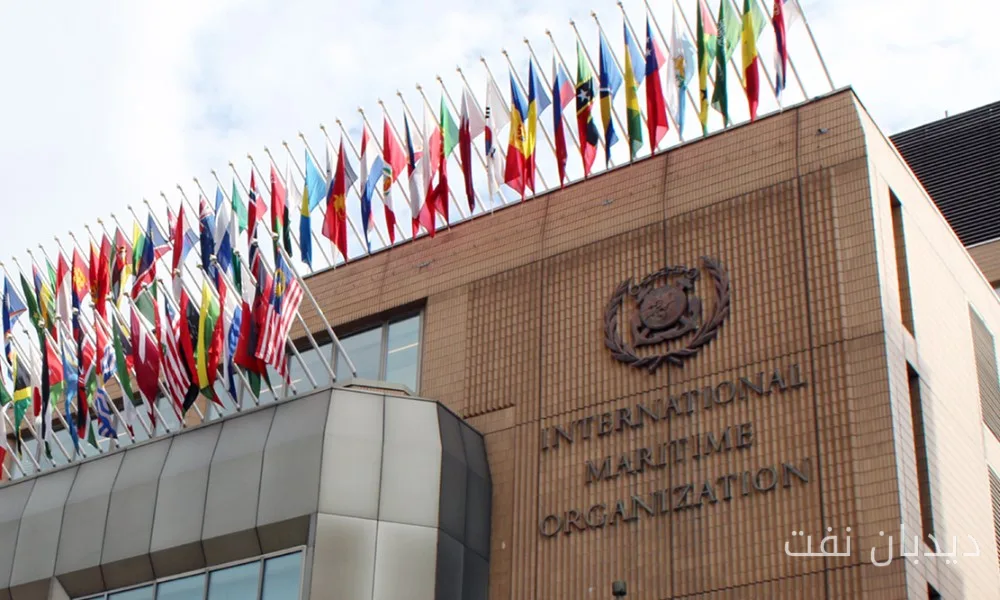
Lula da Silva, the elected President of Brazil, has played a significant role in strengthening global climate policies by securing 51.76% of the votes in the second round of elections. This victory reflects the Brazilian people's willingness to support climate action on an international level and may influence the International Maritime Organization (IMO) negotiations.
Brazil's Political Impact on IMO
Brazil is recognized as one of the main architects of the Net Zero Framework (NZF) in the IMO. Lula's victory could bolster this framework and efforts to reduce greenhouse gas emissions in the maritime industry. Meanwhile, the United States, as a key player, has taken a stance opposing this agreement and has sought to delay its approval.
Read more: Oil pollution in the Persian Gulf: a serious threat to habitats
The recent elections in Brazil demonstrated that people care about climate action, and this issue has been on the electoral agenda. Lula has promised to continue reducing deforestation by 2030, and this success allows him to continue Brazil's climate diplomacy on an international level.
Challenges and Opportunities in Climate Negotiations
One of the main challenges in IMO negotiations is the lack of strong global regulations to reduce greenhouse gas emissions. Fuel-producing countries and shipowners need stable signals to invest in electric fuels and zero-emission options. Delays in the approval of global regulations mean continued uncertainty in this industry.
At the same time, EU regulations like ETS for maritime transport and FuelEU Maritime are attempting to fill this legal gap, but these regulations alone are not sufficient. Until a global law exists, regional actions cannot replace global standards.
Lula's victory could also serve as a signal for other countries, encouraging them to take a stronger stance in IMO negotiations. This election clearly showed that the Brazilian people want to choose their future, and this message can be conveyed to other countries as well.