JD Vance, the Vice President of the United States, has pointed out the unresolved details of the agreement following the announcement of a multi-billion dollar investment by South Korea in the Alaska LNG pipeline project. These remarks come as officials from Seoul and the United States are reviewing the timing and status of this commitment.
Alaska LNG Project and Challenges
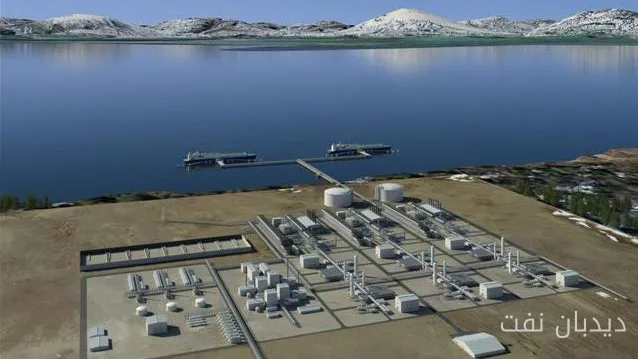
The Alaska LNG project is considered one of the largest infrastructure plans in the United States and includes an 800-mile pipeline that connects gas fields in the northern tundra to a liquefaction plant in Cook Inlet, Alaska. This project could significantly benefit the economy and budget of the state of Alaska, but it requires substantial investment. Initially, the plan had the support of major companies such as BP, ExxonMobil, and ConocoPhillips, but these three oil giants have exited the project since 2016.
Read more: Increase in Middle Eastern Crude Oil Exports and Its Impact on the Global Market
Current Investment Status and Financial Challenges
Currently, Glenfarne Group and the state-owned Alaska Gasline Development Corporation are responsible for securing permits, investors, and customers. If this project goes into operation, it will be able to supply 20 million tons of LNG per year to buyers in Asian markets. However, the financial costs and risks associated with constructing this project are extremely high. The estimated cost of this project is between $45 to $55 billion, which translates to about $2.7 billion per ton of LNG. This figure is nearly three times the costs of similar LNG projects in the Gulf of Mexico.
Energy analysts and South Korean officials are carefully examining the financial details of this project. The South Korean Ministry of Energy has stated that a comprehensive study of the economic aspects is needed to make a decision regarding investment. Currently, there is no evidence of willingness from institutions to finance this project, nor is there any binding sales contract for gas supply.
The South Korean government has announced that the agreement described by the White House is not yet finalized and requires internal business and legal reviews. Representative Choi Su-jin from the Democratic Party has also expressed objections to the current conditions, stating that this contract would not be beneficial for South Korea.
In this context, President Trump threatened on Friday that if South Korea does not adhere to the announced agreement, sanctions will be imposed. He said, "If they don't want to do it, that's fine. I will just charge them more."



