Iran has threatened to target internet cables passing through the Persian Gulf if attacks begin again. This threat not only affects the security situation in the region but could also have serious repercussions on the digital economy of Gulf countries.
The Importance of Submarine Cables
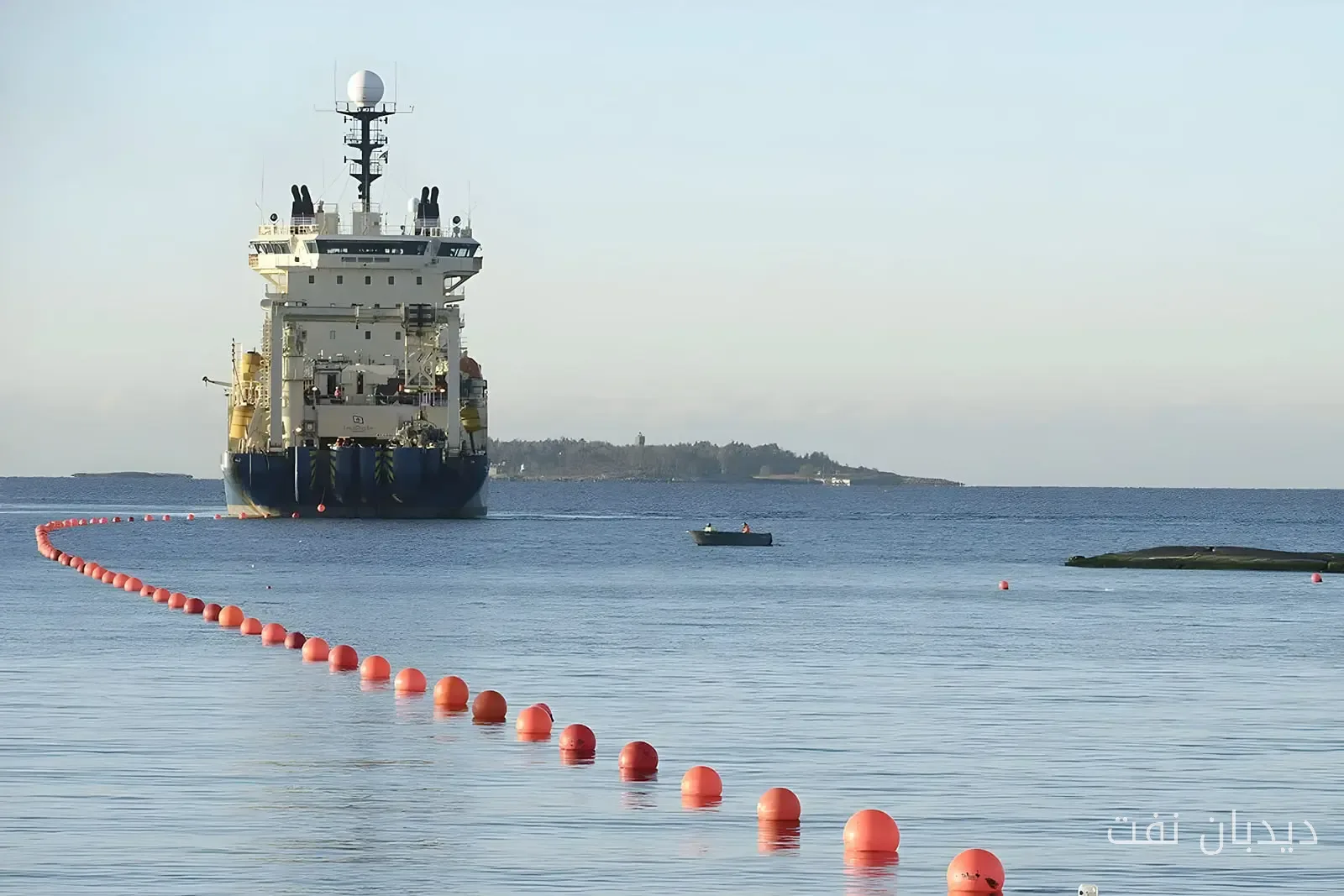
Understanding the significance of this threat requires looking at the structure of the global internet. According to existing reports, 99 percent of international data traffic is transmitted via submarine cables. These cables act as the backbone of the internet between continents, connecting information from various parts of the world.
Read more: Masoud Pezeshkian: A thousand fuel tankers leave the country daily
Currently, there are over 1.5 million kilometers of active telecommunications cables on the seabed. This invisible network facilitates global information and communications. Although the Strait of Hormuz is recognized as one of the most sensitive energy passageways in the world, its share of international bandwidth is less than one percent.
Consequences of Iran's Threat
According to studies conducted, damage to the internet cables in the Persian Gulf could severely impact the communications of Bahrain, Qatar, and Kuwait. These countries are connected to each other and the world through cables passing through the Strait of Hormuz. Meanwhile, the UAE and Saudi Arabia have a different situation due to alternative routes.
The Strait of Hormuz, as a narrow passage, is of high importance to the Gulf countries despite its low significance for the global internet. Although Saudi Arabia and the UAE have other routes, disruption to the cables in this region could lead to serious crises.
Overall, Iran's threat to target internet cables not only affects the communications of Gulf countries but could also disrupt the region's digital economy. In a situation where the internet is recognized as a vital infrastructure in today's world, this threat could have serious consequences for businesses and international communications.
Read more: Fire on two container ships and efforts to contain them · Sinking of the Comoros oil tanker in the Black Sea and Romania's accusations against Russia