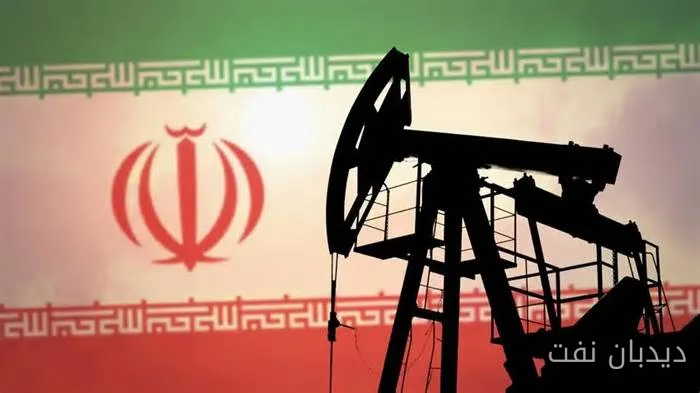
Iran's oil industry responds to infrastructure challenges and ongoing sanctions with a 200,000 barrel increase in production during wartime. This production increase, which according to Hamid Bord has also added to gas production, reaching about one billion and 100 million cubic meters per day, demonstrates Iran's ability to manage oil and gas resources under difficult conditions.
Infrastructure and Production Security Challenges
The increase of 200,000 barrels of oil production, while foreign investment is limited and sanctions continue, appears significant operationally. Restoring low-yield wells and repairing damaged equipment requires financial resources and specialized equipment. At the same time, production capacity may differ from actual supply.
Read more: Hamid Bord Appointed as Acting Minister of Oil
Crude oil production must pass through various stages such as gathering stations, transfer lines, and refineries to become a marketable product. Disruption at any of these stages can lead to reduced capacity in other sectors. Especially in southern Iran, where oil and gas infrastructure is concentrated, any incident can have broader impacts.
Importance of Flexibility in the Export Chain
Currently, the increased transfer of tankers to other ships around Oman and rising transportation costs have made flexibility in export routes a necessity. To convert production into real revenue, there must always be a focus on improving and developing export routes.
Reconstruction of damaged facilities in South Pars, especially the damaged refineries, is a priority, and managers emphasize accelerating these operations before the cold season begins. Damage to even one processing unit can have effects beyond that unit and impact the performance of other sectors.
As winter approaches, the importance of this issue increases due to rising household gas consumption. A reduction in processing capacity alongside growing consumption can put additional pressure on the electricity production industry and other sectors, increasing the need for liquid fuel use.
Therefore, maintaining production and the rapid return of facilities to operation is not only a construction challenge but also related to gas supply security in the cold months. Iran's oil industry must simultaneously focus on increasing production, repairing damaged facilities, and reducing bottlenecks in the chain to prevent potential threats and challenges.
Ultimately, the performance of the oil industry cannot be measured solely by the number of barrels produced. The ability to maintain production, the speed of reconstruction, and flexibility in the export chain are also vital for evaluating the performance of this industry.
Read more: Jalal Hameh Hassani's Supervisory Visits to Fuel Stations in Kurdistan · Iraq Changes Its Oil Strategy by Arranging Tankers to Transport Oil Out of the Strait of Hormuz



