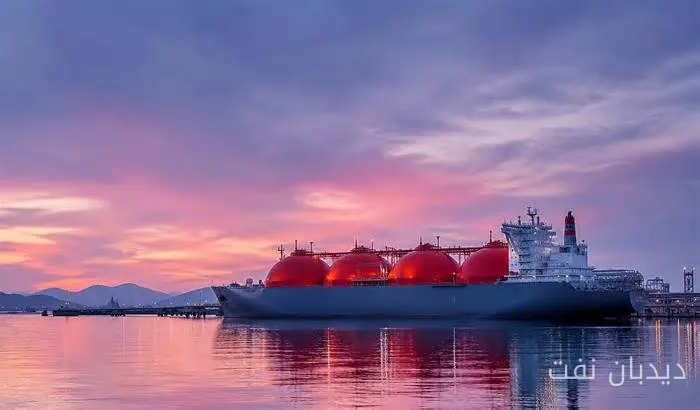
Despite possessing one of the largest gas reserves in the world, Iran still has a very limited share in the global liquefied natural gas (LNG) market. The International Energy Agency predicts that LNG supply from Qatar and the UAE will decrease by about 45 percent in 2026 compared to the previous year, while competition between Asian and European buyers for securing shipments has intensified ahead of winter.
The LNG Crisis and Its Impact on the Global Market
The global LNG market is currently facing various challenges. A sharp decline in supply from Qatar and the UAE due to regional crises, along with increased demand from European and Asian countries, has led to rising global LNG prices. The International Energy Agency reports that LNG flows from the Strait of Hormuz, which provided nearly one-fifth of global supply before the crisis, have been severely disrupted.
Competition for Securing LNG Shipments
Currently, the main competition is between Asian and European buyers for securing LNG shipments. Especially ahead of winter, Europe is in urgent need of filling its reserves, putting additional pressure on the market. According to reports, other producers, including the United States and Africa, are increasing their capacity to help compensate for this shortfall. However, Iran has not yet been able to significantly enter the LNG export chain.
The LNG industry requires investment and advanced technologies, and sanctions have been the main barrier to attracting foreign investment for Iran. Given the current conditions, Iran's opportunities to enter the LNG market have become more limited than before, negatively impacting the country's export revenues. It seems that for Iran, merely having sufficient gas resources is not enough; establishing a value chain and access to necessary technologies are also essential for entering the global market.