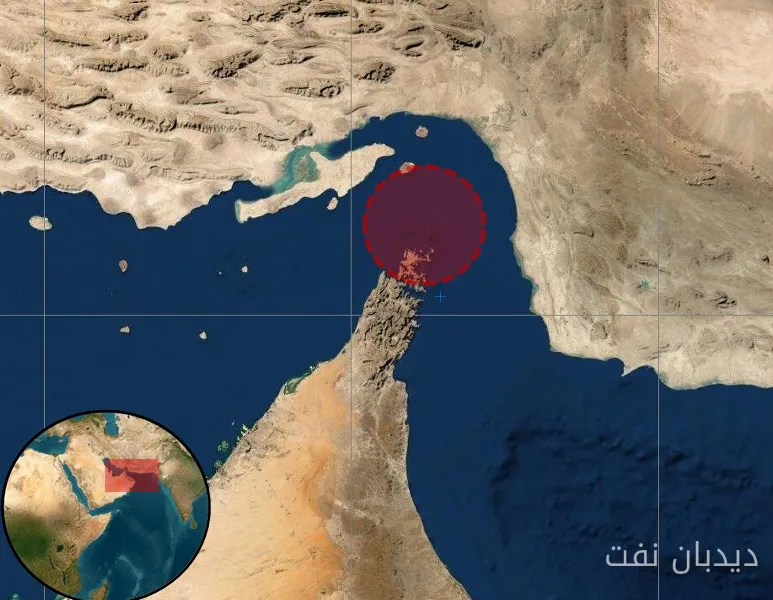
Iran has recently begun using new methods to target ships passing through the Strait of Hormuz. Iranian officials announced that this tactical shift is aimed at keeping oil prices high and influencing the upcoming midterm elections in the United States next month.
Iran's new strategy in the Strait of Hormuz
Since the start of the war against this country by the United States and Israel on February 28, Iran has been striving to exert control over the Strait of Hormuz, a passage through which about one-fifth of the world's oil and liquefied natural gas (LNG) exports passed before the war. By restricting traffic in this strait, Tehran seeks to create leverage against Washington.
This change in Iran's tactics has significantly impacted maritime movement from the Strait of Hormuz and caused a spike in oil prices. According to two senior Iranian officials, Iran has begun using various aggressive methods against violating ships about 10 days ago, resulting in an increase in the intensity of attacks.
Impacts and consequences of the new strategy
Iranian officials emphasized that the decision to implement this new strategy was made at the highest levels of Iran's command and has been fully coordinated among various branches. This strategy includes changes in the type and timing of attacks, with one of its goals being to neutralize U.S. and allied efforts to reduce global oil prices and influence the outcome of the U.S. elections.
One Iranian official stated: "We will not allow Trump to lower oil prices before the elections. When they think they are close to a price drop, we will push them away. This is a game of chess, and such ships will not have security even outside the Strait of Hormuz."
Additionally, Iranian officials announced that Tehran, as part of the new strategy, will expand its operational geographic range beyond the Strait of Hormuz, including the Sea of Oman and farther waters. In the past 48 hours, at least five security incidents, including drone attacks, have occurred in the region.
On the other hand, an American military official also pointed to fundamental changes in Iran's tactics, stating that the Revolutionary Guard, after losing a significant part of its radar capability to the U.S., is using unarmed watchers aboard small boats to identify potential targets, including U.S. Navy vessels.
Read more: Iran's oil exports have reached zero, and its shipments are trapped in the Strait of Hormuz · Fire at the fuel depot of smuggled goods in Borvat Bam has been brought under control