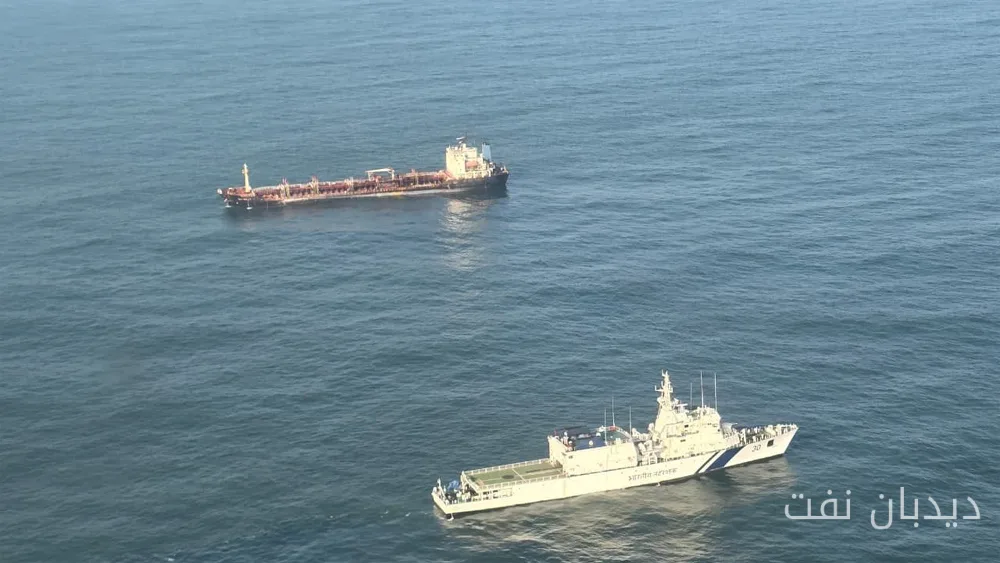
The Indian Coast Guard received an emergency call from the oil tanker Sea Gull 9 on September 27, 2026, and took action to rescue the sinking tanker off the northeastern coast of India in the Bay of Bengal. This tanker, owned by China, was en route to Paradip port and had suffered uncontrollable flooding approximately 37 nautical miles from the port.
Technical Details of the Oil Tanker Sea Gull 9
The oil tanker Sea Gull 9, weighing 11,131 tons and measuring 127 meters in length, was built in 1998 and is registered under the flag of Belize. The tanker had 23 crew members and was transporting 9,000 tons of palm oil from Malaysia to Paradip port. According to reports, the crew of the tanker reported a malfunction in the main engine.
Photos released by the Indian Navy show that the tanker was leaning to the left and was in a state of sinking. Following this incident, the Indian Navy dispatched the patrol vessel ICGS Vishwast and a team for damage control to the tanker.
Rescue Actions and Pollution Control
The damage control team was able to stop the tanker’s leak using waterproof pumps and blocked two damaged seawater pipelines. They also brought another broken line under control, eliminating the immediate risk of the tanker sinking.
The Indian Navy also dispatched a pollution control vessel and another patrol boat to the area, and a naval aircraft was deployed to assess the situation. During these assessments, signs of oil pollution were observed in the waters surrounding the tanker, which appeared to be due to palm oil leakage. However, further investigations on September 28 indicated that these signs had diminished.
The Paradip port authority dispatched a tugboat named Dolphin to assist the Sea Gull 9 tanker, and the tanker was moved to a safe anchorage at Paradip port. The Indian Navy announced that the ICGS Vishwast remains in the area and is monitoring the situation.



