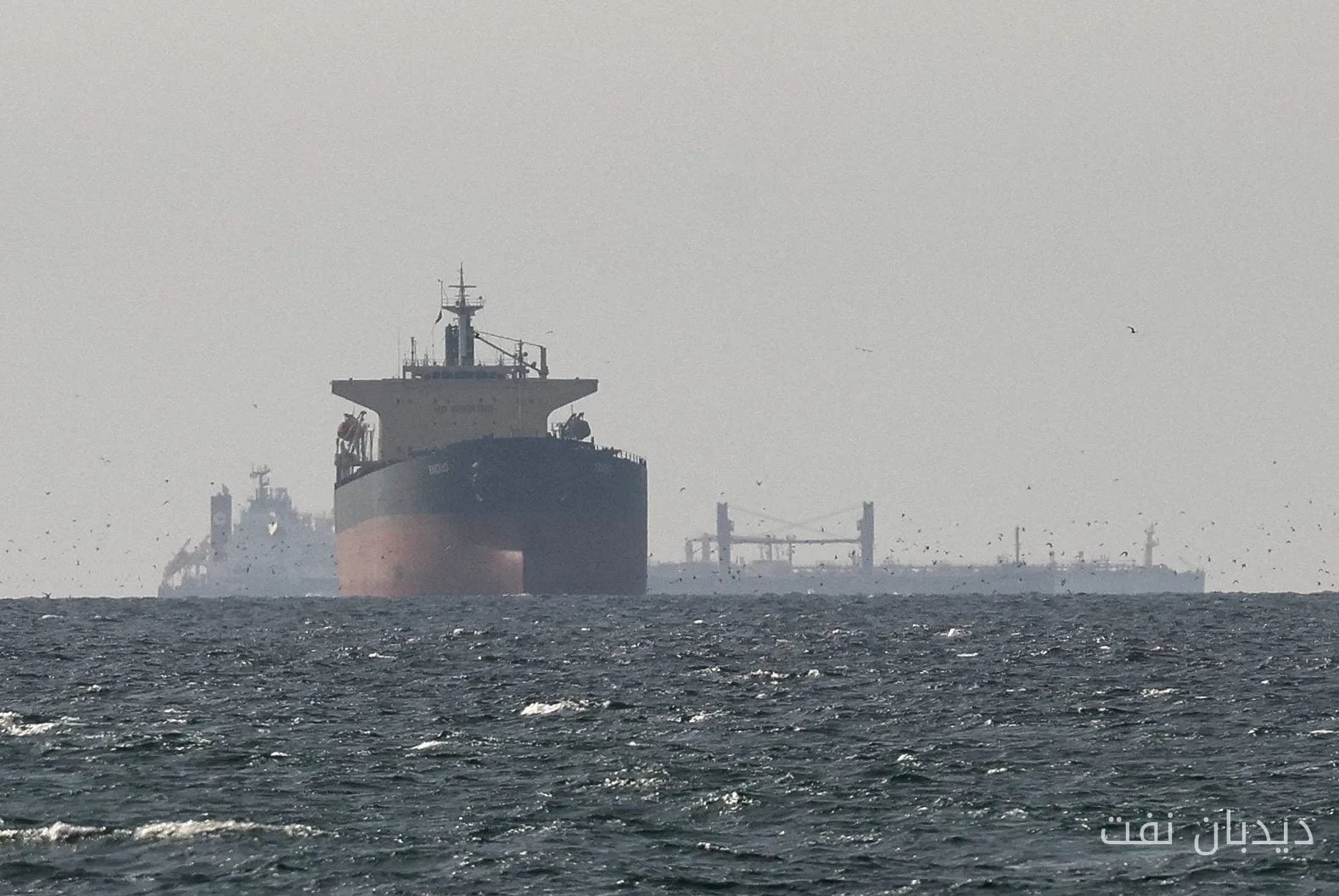
The tanker Esteem Explorer is set to travel from the United States to Japan in late November 2023, carrying approximately 2 million barrels of crude oil. The cost of this journey will amount to $81 million, a significant increase from $9.1 million last year. In other words, the transportation cost per barrel of oil has risen to $40.50, nearly 9 times the rate of the previous year.
Consequences of Increased Transportation Costs
This increase in costs directly impacts consumer prices. According to experts, every $10 increase in transportation costs adds about 23 cents to the price of each gallon of gasoline. Accordingly, the transportation costs for the tanker Esteem Explorer imply at least an 80-cent increase in the price of each gallon of gasoline compared to last year. This situation leads to rising prices for food and other goods in import-dependent countries.
Read more: Taiwan plans to invest $4.4 billion in the Alaska LNG project
Factors Contributing to Increased Costs
Transportation rates account for over 40% of the price of oil in the United States, while this figure averaged 7% in 2025. Countries that are import-dependent, including India, the Philippines, and Indonesia, are the most affected by rising costs. Additionally, high transportation rates per barrel of oil from the Strait of Hormuz and the Red Sea to Asia have reached a record $34 this week, indicating risks and security concerns.
Reports indicate that attacks on ships related to the U.S.-Iran wars and the Russia-Ukraine war have led to increased transportation and insurance rates. The current conditions have resulted in increased demand for tankers and reduced access to large vessels. These restrictions on vessel access have driven up prices and lengthened shipping times.
Shipping companies are using more vessels to mitigate the risk of attacks, which leads to increased costs and delays in cargo shipments. Consequently, transportation costs for tankers have quadrupled since the onset of the Iran war in February.
While some companies sign contracts for vessels for three to five years, many others rent vessels in the spot market for a month before loading. These long-term contracts can be more economical for companies if prices rise.
Market developments in oil have benefited tanker owners, who have recently achieved revenues of over $1.3 million per day for each vessel on journeys from the Gulf to Asia, whereas this figure averaged $55,000 in 2025. Analysts believe that as long as demand for crude oil exceeds supply, tanker rates will remain strong.
However, experts warn that as soon as the crude oil market stabilizes, transportation rates will drop rapidly. These developments highlight the need for close monitoring of the oil market situation and its impacts on global prices.
Read more: Qatar begins a new LNG export route to China with the tanker Al-Rayan · New tankers set loading records amid sanctions