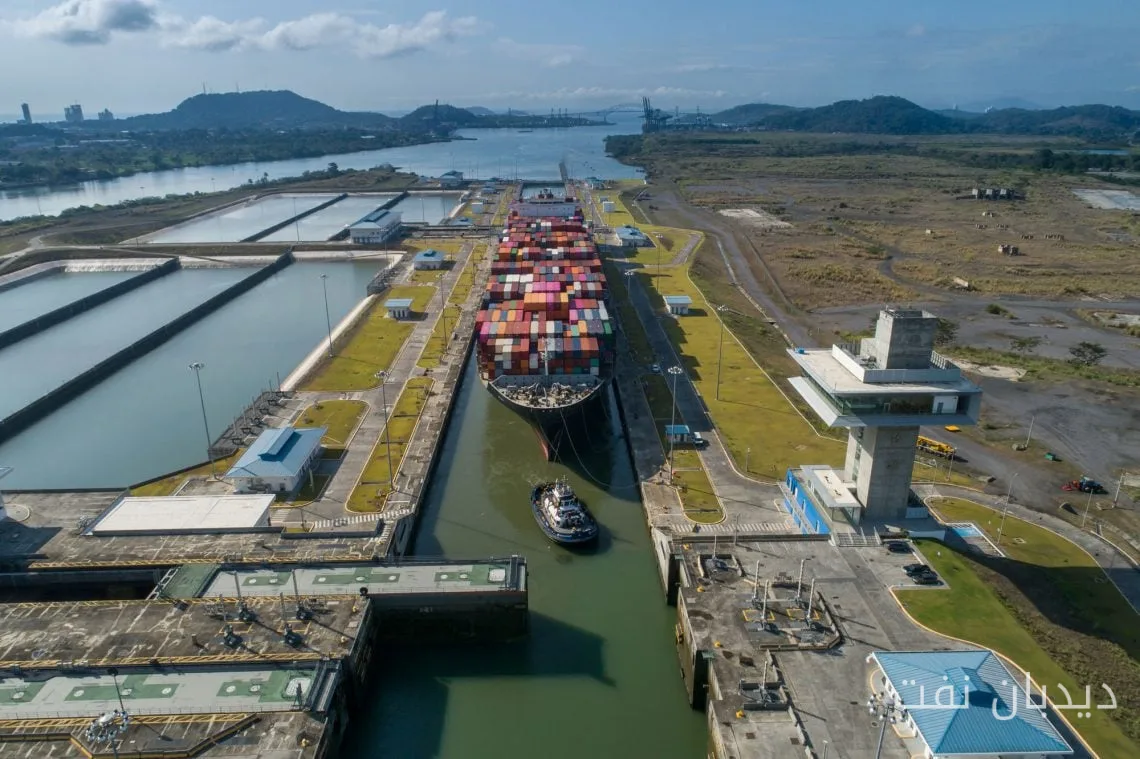
The Panama Canal reported a 4.1% increase in ship traffic and a 6.5% increase in total tonnage for fiscal year 2026, which ended on September 30. This increase occurred due to strong demand from energy transportation and container ships.
Traffic and Tonnage Details
In this fiscal year, the Panama Canal recorded 13,951 ship transits, which is a significant increase compared to 13,404 transits in the previous year. The total tonnage also reached 521 million tons in the Panama Canal's global measurement system (PC/UMS), compared to 489.2 million tons in fiscal year 2025.
Read more: Fire on two tankers off the coast of the Black Sea in Romania and the disappearance of 7 sailors
Growth Factors and Challenges
Larger ships played a major role in this growth, with vessels using the Neopanamax locks accounting for 52.2% of the total tonnage. Strong performance from container ships and changing international trade patterns were other contributing factors to this increase. However, challenges related to water access and maintaining water resources under El Niño weather conditions continue to pose concerns for canal operations.
As a result, the Panama Canal reported revenues of $6.6 billion for fiscal year 2026, reflecting a 16.6% increase compared to the previous year. These figures have not yet been fully reviewed.
The Administrator of the Panama Canal, Ilya Espino de Marotta, stated that the Panama Canal helps facilitate international maritime trade by providing a reliable and safe route. He also mentioned the return of last-minute booking services for ships using the Panamax locks.
In light of improved water conditions and recent rainfall, the Panama Canal increased its daily reservation capacity to 33 slots. However, concerns about water access persist, and the canal has warned that there may be a need for further operational adjustments if El Niño conditions worsen.
Ultimately, recent results indicate that the Panama Canal is attracting growing volumes of maritime traffic, even as water management remains one of its biggest operational challenges.