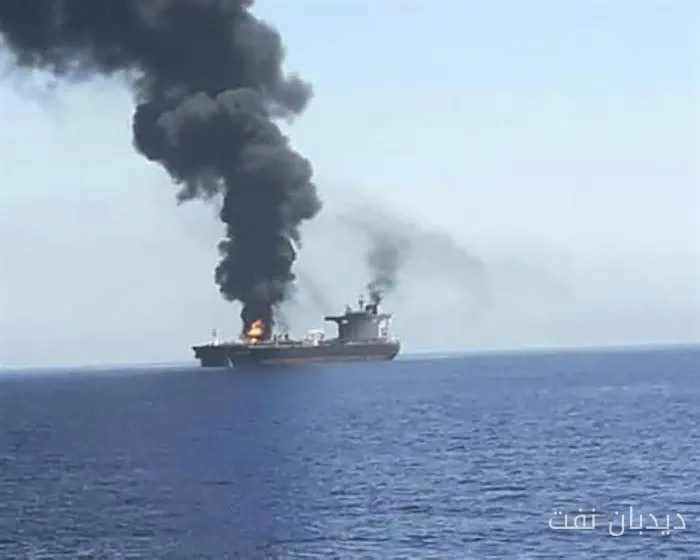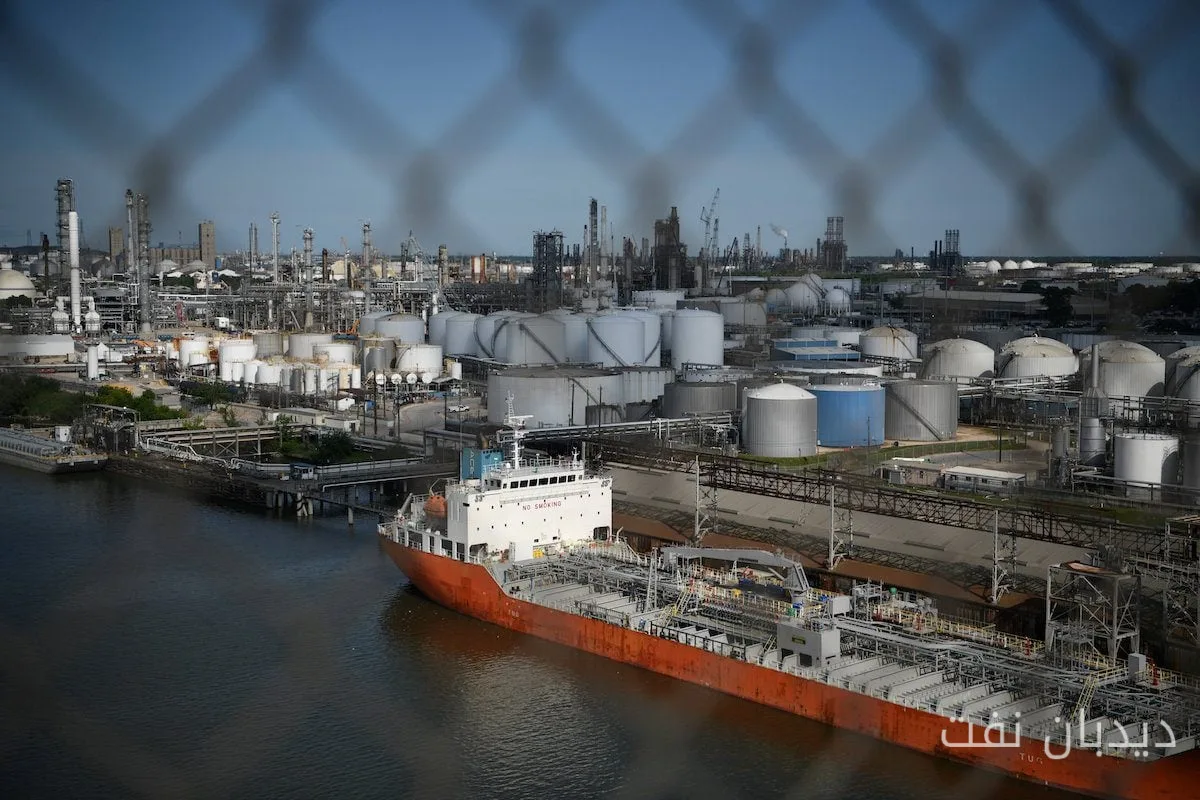
The increase in tanker transportation rates allows American refiners in the Gulf of Mexico to take advantage of heavy discounts on heavy crude oil. These developments have occurred due to security tensions in the Strait of Hormuz and rising insurance and transportation costs.
Impact of Regional Tensions on Transportation Rates
The existing tensions in the Strait of Hormuz, which is considered one of the key maritime points in the world, have directly affected tanker transportation rates. With the increase in security risks, insurance costs for oil transportation have also risen sharply. These factors have enabled American refiners in the Gulf of Mexico to benefit from greater discounts on heavy crude oil. In this situation, American refiners have gained a significant competitive advantage over their Asian rivals by purchasing heavy crude oil from closer sources like Canada and Venezuela.
Read more: Foad Hussein: Iraq has resumed oil exports through the Strait of Hormuz
Increase in Refining Margins and Impact on the Market
Refining margins in the United States have more than doubled in the third quarter of this year. American refiners have been able to secure greater discounts for heavy crude oil due to rising transportation costs. For example, the transportation cost of crude oil from the Gulf of Mexico to Asia has increased to $30 to $35 per barrel, while this figure was around $5 last year. This increase in costs provides American refiners the opportunity to exploit export markets, especially in Latin America.
Additionally, with sufficient heavy crude oil supply from Canada and Venezuela, this trend is expected to continue in the future. Some industry officials predict that the price difference between light and heavy crude oil will remain wide in the coming years, which will benefit American refiners.
American refiners have also been protected from the negative impacts of rising tanker transportation rates by utilizing advanced transportation agreements. For example, Phillips 66 secured over 40 chartered vessels before the onset of tensions in the region, covering about 40% of its transportation needs based on its assets.
Ultimately, it seems that these developments will benefit not only American refiners but also the entire oil industry in the country, as the increase in margins and reduction in costs enhance the ability to compete with global rivals.
Read more: Tankers on the Move with Iranian Sanctioned Cargoes