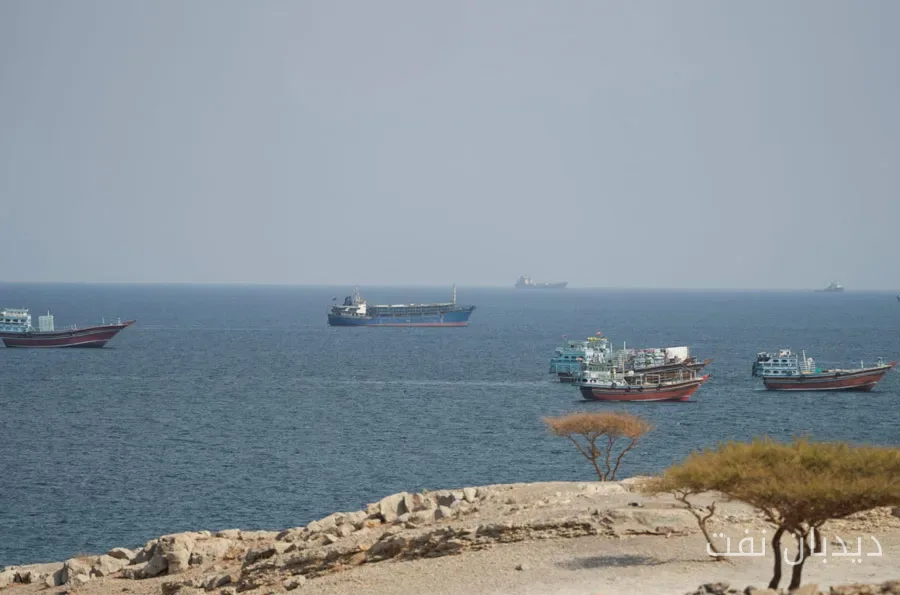
Crude oil exports from the Middle East have surpassed any previous levels since the recent conflicts between the United States and Iran. However, the Strait of Hormuz, as a key route for oil trade, continues to be a perilous region.
Increase in Exports and Challenges
Oil export figures in September have reached just below 70% of pre-war levels. Major oil producers allied with the United States have exported about 13 million barrels of oil per day, down from 19 to 20 million barrels per day in February. Meanwhile, Iran has been unable to pass its oil shipments through the Strait of Hormuz since the U.S. Navy imposed a maritime blockade in July.
Read more: Increase in Crude Oil Prices in the Third Quarter of 2026 Due to Middle Eastern Tensions
While the United States claims to have greater control over the Strait of Hormuz, the realities indicate that these claims are accompanied by many complexities. Despite the increase in oil exports, global oil prices remain high, reflecting the challenges present in the global oil market.
Consequences of War and Sanctions
The current war has not only harmed oil exports but has also impacted refineries and processing facilities in the Persian Gulf region. For instance, Iranian attacks have led to a 17% reduction in production capacity at Qatar's massive LNG export center, Ras Laffan. Consequently, the economic crisis resulting from the war has created a dire situation, especially for Iran.
Inflation rates in Iran have exceeded 80%, and the value of the national currency against the dollar has reached its historical low. However, there are no signs that the economic pressures imposed on the Iranian people will lead to the surrender of the country's government. Iran has a long history of resilience against U.S. sanctions.
In the current circumstances, the likelihood of an aggressive response from Iran seems greater than that of capitulation. Iran still possesses numerous missiles and drones that it can use to target oil facilities and ships throughout the region. Additionally, recent Iranian attacks on ships in the Strait of Hormuz indicate an escalation of this situation.
Read more: Kpler: Oil and Product Exports from the Middle East Reached 22.5 Million Barrels per Day · Analysis of Iranian Oil Shipment Routes Under Sanctions



