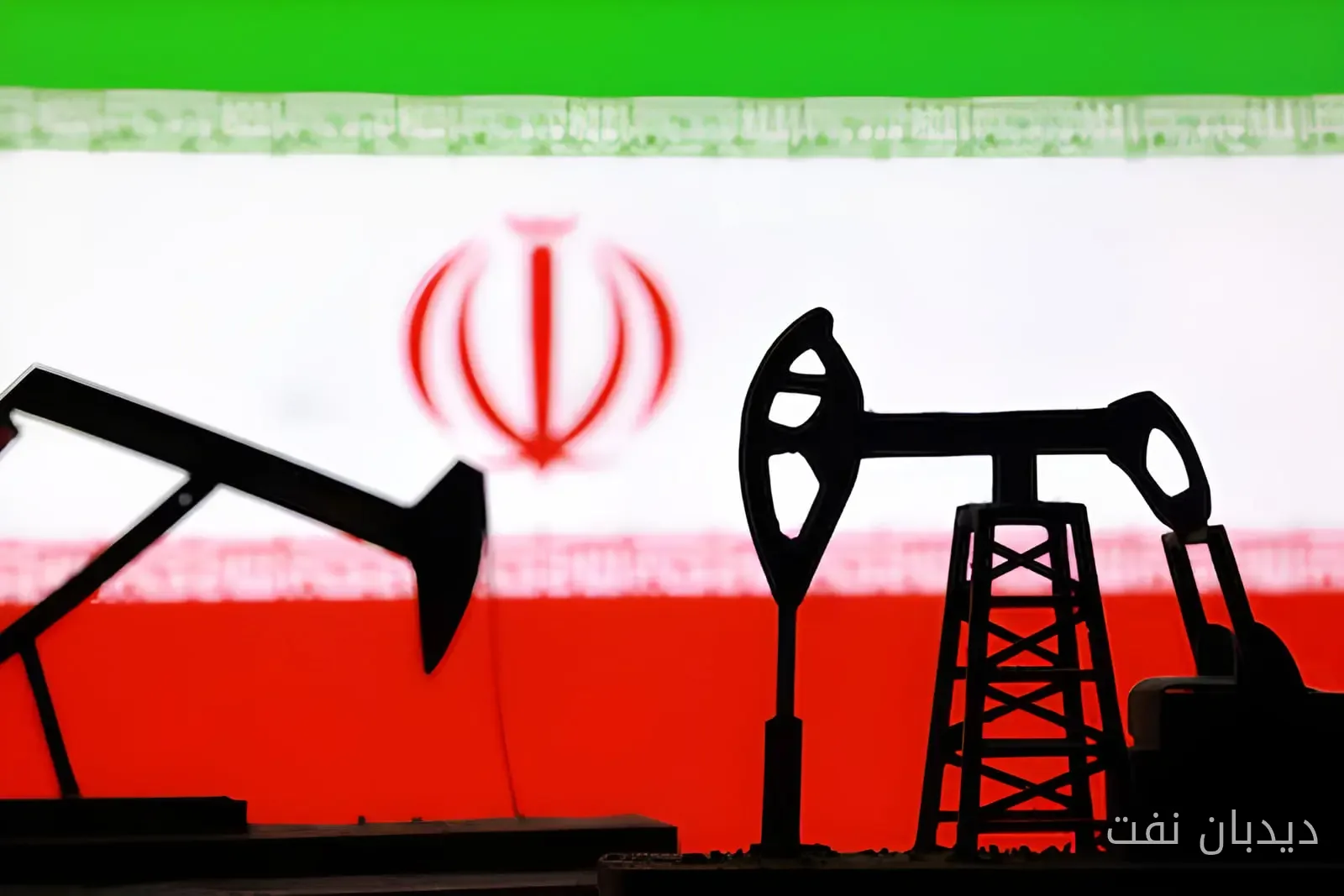
Iran's daily crude oil production capacity has reached 3 million and 715 thousand barrels in October 2026, showing an increase of 285 thousand barrels compared to September 2024. This increase in production has occurred amid claims of a halt in Iran's oil exports, raising questions about where this oil is being stored.
Details of the Increase in Oil Production
Reports indicate that oil production in October 2026 has also increased by 55 thousand barrels per day compared to October 2025. The Iranian Ministry of Oil has focused during this period on activating existing capacities, reviving low-yield wells, and developing shared fields. A plan to increase production by 250 thousand barrels has also been defined with a budget of 3 billion dollars, of which 70 thousand barrels of the target have been achieved so far.
The financial resources for this plan are mainly provided by the National Development Fund and part of the internal resources of the National Iranian Oil Company. Additionally, contracts for the development of the Azadegan, Azar, Changuleh, and Band-e Karkheh fields have been signed with an investment of about 13 billion euros.
Oil Export Status and Storage Challenges
While oil production is increasing, tanker trackers that monitor the activities of oil tankers have reported that Iran's crude oil exports have reached zero barrels per day since mid-July. This contradiction has raised the question of where the produced oil is being stored. Analysts believe that oil that is not exported must be stored somewhere, and some reports indicate that Iran's storage capacity is nearing full.
In August, Iran loaded about 255 thousand barrels of oil onto tankers in the Persian Gulf daily, which is 85 percent less than the average from February to April. These tankers are considered floating oil storage facilities where part of Iran's oil reserves are kept.
Furthermore, estimates suggest that Iran, continuing to deliver about one million barrels of oil daily, most of which goes to China, may run out of its floating oil reserves by mid-October. It seems that with the sale of stored oil, floating storage vessels remain one of Iran's options for managing its reserves.



