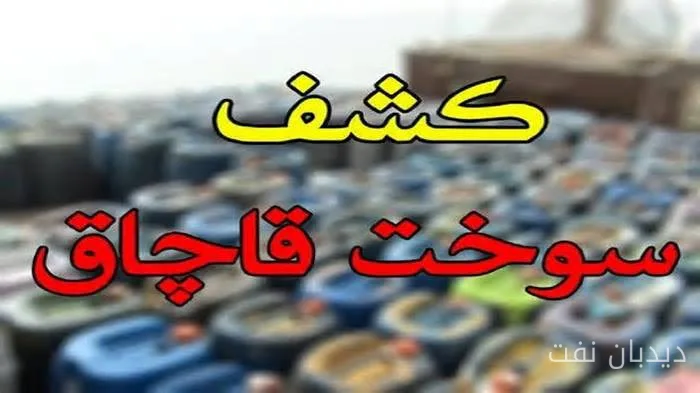
The volume of smuggled petroleum products has reached 25 million liters per day, indicating an upward trend in this phenomenon in recent months. The increase in petroleum product prices in neighboring countries, especially at the borders, is considered the main factor behind this growth.
Background of Fuel Smuggling Increase
In recent months, with price changes occurring in global and domestic markets, fuel smuggling has become one of the main challenges in the energy sector. Studies show that high petroleum product prices in neighboring countries, especially in Iraq and Afghanistan, have encouraged smugglers to increase their activities. This situation not only harms the national economy but also exacerbates social and economic instability.
Read more: Security Manager of Marward Petrochemical: Serious Costs and Questions
Dimensions and Consequences of Smuggling
Fuel smuggling directly impacts fuel supply within the country. This issue can lead to price increases and shortages of petroleum products in the domestic market. On the other hand, fuel smuggling, due to insufficient oversight and the unintended consequences it brings, can lead to environmental and health crises. These crises stem from unauthorized transportation and the use of non-standard methods in fuel distribution.
Law enforcement and relevant officials are trying to control this situation by intensifying oversight and legal actions. However, given the high volume of smuggling and the complex networks operating in this area, achieving positive results requires international cooperation as well as structural reforms in the country's energy sector.
Read more: Discovery of 74,000 Liters of Smuggled Fuel in Zahaklot, Kerman · Questioning the Minister of Oil about the Cancellation of Oil Contracts between Iran and China