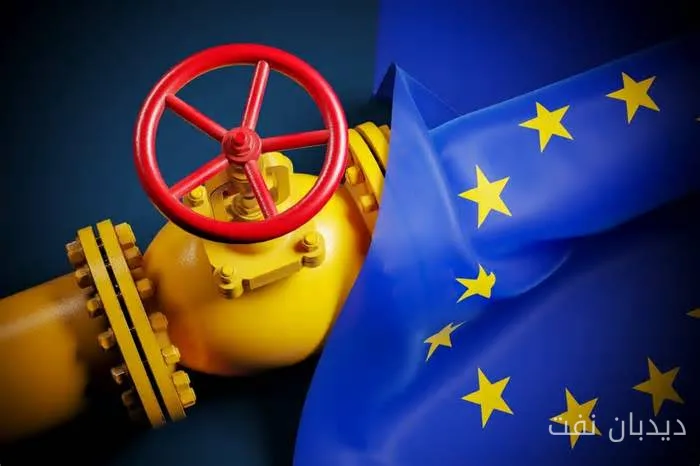
The price of natural gas futures in the Amsterdam market has risen to €73.62 per megawatt-hour. This price increase has occurred following ongoing tensions between the United States and Iran and its effects on LNG supply from the Hormuz region.
Developments in the European Gas Market
The gas price on Monday increased by 2.15% to €73.62, following a 9% decrease last week. Analysts believe that these price fluctuations are due to the market's sensitivity to geopolitical developments and the status of LNG transportation from the Middle East.
Read more: A.P. Moller Capital announces acquisition of majority stake in Euroports Group
Disputes between the United States and Iran and the lack of progress in nuclear negotiations have led traders to doubt a quick return to normal LNG transportation from the Hormuz region. Meanwhile, oil prices have also increased by about 2% in Asian trading following these developments.
Disruptions in Qatar's LNG Exports
Qatar Energy, one of the largest LNG exporters in the world, has announced that the force majeure on LNG deliveries to some European and Asian customers has been extended until the end of November. This action indicates the continuation of disruptions in the shipment of LNG cargoes from the Hormuz route.
Analyses show that Qatar's export restrictions could have a significant impact on global liquefied natural gas supply. Reuters estimates indicate that Qatar's LNG exports have decreased by up to 96% at times, resulting in a loss of approximately $24 billion in LNG sales revenue.
In this situation, the gas markets in Europe and Asia are competing to secure their necessary LNG supplies. Given the rising prices and low gas reserves, the market conditions are very sensitive on the brink of the heating season.
Currently, the European Union's gas reserves are about 71% full. Although this level does not indicate an immediate gas shortage, it significantly reduces the market's margin of safety against severe cold and new disruptions in imports.
Read more: Increase in European LNG imports amid Hormuz Strait crisis · Iran oil sanctions and rising oil prices after Tehran's proposal rejection