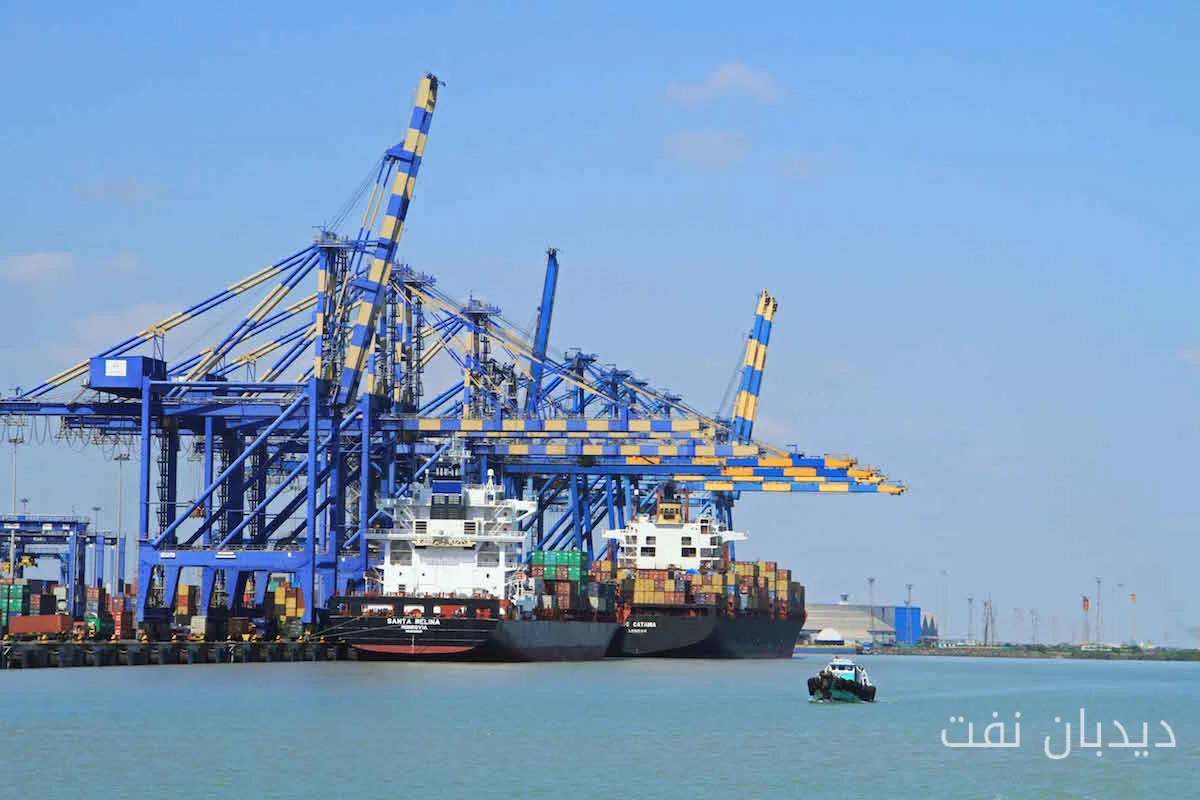
The port of Dar es Salaam and the port of Hambantota in East Africa are witnessing a significant increase in connectivity to maritime transport networks as new trade hubs following geopolitical changes in the region. These developments stem from shipping companies' desire to avoid risky routes, particularly the Strait of Hormuz, which has led to an increase in cargo volume at these ports.
Route Changes and Increased Pressure on New Hubs
In light of conflicts and security threats in the Strait of Hormuz, shipping companies have decided to reroute vessels to lesser-known ports with suitable facilities. These changes have facilitated the emergence of secondary ports that can effectively transfer cargo. Notably, the ports of Duqm and Khor Fakkan in Oman, with increases of 213% and 188% in connectivity compared to before the crisis, are recognized as the winners of these developments.
Read more: Ehsan Mashghalani announced specialized training courses for energy journalists
Economic and Commercial Implications
Major shipping companies such as China Merchants Port and MSC are investing in these new ports, which could lead to stronger infrastructure and increased cargo capacity in these regions. These investments are aimed at capitalizing on the cargo being redirected to these ports under current conditions. These ports are gradually establishing their position in the global trade network.
Given the ongoing attacks on vessels in the Strait of Hormuz and rising concerns in this regard, it is expected that the new ports will continue to benefit from these changes and become primary options for shipping companies. In this context, the ports of Dar es Salaam and Hambantota play a key role in these developments and are recognized as high-potential connection points in global trade.
Read more: Completion of covert operations using a German submarine by British Royal Marines · Middle East oil exports at levels higher than before the US-Israel war



