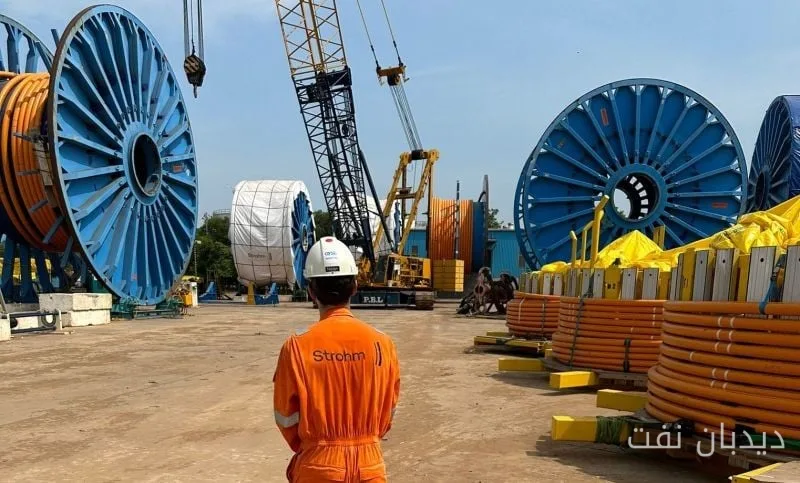
On August 28, 2026, Cheniere Energy completed its third natural gas liquefaction project in Texas and took control of the final liquefaction unit. This project, known as the Corpus Christi Liquefaction Stage 3 (CCL Stage 3), is part of the Corpus Christi liquefied natural gas terminal located in San Patricio County, Texas.
Project Details and Production Capacity
The CCL Stage 3 project began producing liquefied natural gas (LNG) in December 2024, and with the completion of this phase, the total capacity of the facility reached 3.1 billion cubic feet per day (Bcf/d) with a maximum capacity of 3.9 Bcf/d. With this increase in capacity, the Corpus Christi terminal became the second largest liquefied natural gas facility in the United States, after the Sabine Pass terminal in Louisiana, which has a nominal capacity of 3.6 Bcf/d (4.6 Bcf/d maximum).
Read more: Continuing the Transformation of the Transworld Fleet with the Sale of a New Oil Tanker
The Role and Impact of the Project in the Gas Market
This project includes seven liquefaction units with a total nominal capacity of 1.3 billion cubic feet per day and a maximum capacity of 1.5 Bcf/d. The production of these units has gradually increased, and with the online activation of each of the six previous units, the capacity for liquefied natural gas production has risen. Additionally, an extra project called Mid-Corpus Christi Liquefaction is under construction, which includes two more units that will add 0.4 Bcf/d to the nominal capacity (0.5 Bcf/d maximum) and is expected to become operational by 2028.
Natural gas liquefaction projects not only help meet the domestic needs of the United States but will also significantly contribute to the export of this product to international markets. Given the increasing global demand for natural gas and the diversification of energy sources, these facilities can serve as a key resource for the future energy landscape of the United States.
Read more: Fulkrum Signed a Service Contract with Vår Energi in Norway · Permian Gas: Less than Zero Value for 118 Consecutive Days!