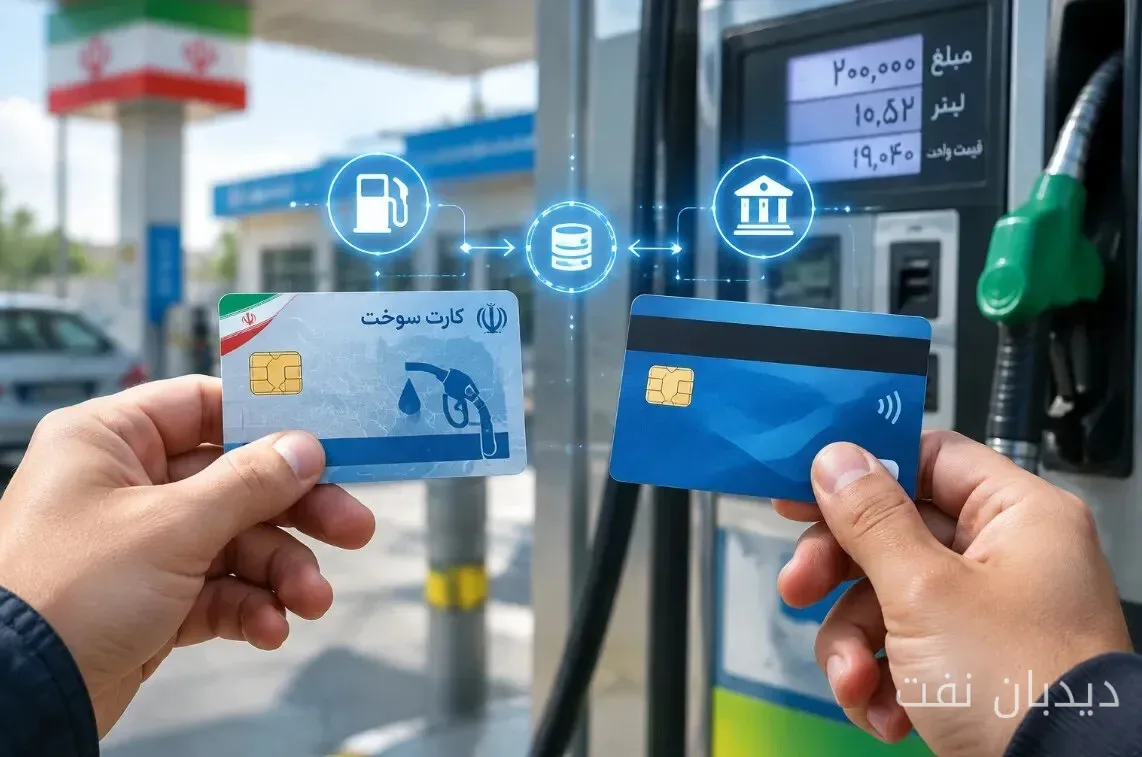
The National Iranian Oil Products Distribution Company is entering a new phase of smartening the gasoline distribution network in the country by implementing a modern fueling plan through bank cards in Tehran by the end of October 2026. This plan allows citizens to receive fuel without the need for a physical smart card or an SMS on their mobile phone. In this new structure, fueling is done with a limit of 25 liters per session.
Objective of the Plan and Its Benefits
The implementation of this plan is designed to diversify payment tools and solve the daily challenges faced by people at fuel stations. Additionally, this infrastructural change will effectively help block the flow of supply outside the network. According to the management of the smart fuel system, with the provision of stable technical conditions, the nationwide implementation of this plan will also be operational, reducing reliance on emergency cards of station operators.
Read more: Reza Sepahvand: There will be no price changes in energy until the end of the year
Authentication Mechanism and Previous Challenges
The policymaking mechanism in the energy sector shows that the efficiency of any plan is a function of its implementation cost and the level of public access. In recent months, the idea of using license plate recognition cameras for fuel management was proposed, but technical reviews indicated that this idea is not economically justified due to the quality of the plates and the costs of professional equipment. In contrast, using a "valid bank card" has created a simple and efficient way for authentication and fuel receipt.
This process involves swiping the card at the station and receiving an offline voucher (4-digit code), with authentication done instantly and without the need for mobile internet. This plan also helps reduce the concern of forgetting the fuel card and is considered an important step towards a digital economy.
Economic and Security Impacts
The fueling plan with bank cards acts as a "parallel and complementary" infrastructure for the distribution of oil products. Absolute focus on a single system in recent years had made the fuel distribution network vulnerable to technical problems and cyber disruptions. With the entry of banking terminals into the authentication and distribution cycle, a new security shield has effectively been formed, ensuring that the fuel supply process will not stop in the event of any issues with personal fuel card networks.
Moreover, while the distribution of gasoline becomes clearer with the entry of the banking network, the smartening of diesel distribution should also be prioritized. The quotas for heavy fleets are charged based on mileage and data sent by the Road Maintenance and Transportation Organization and municipalities, and integrating the data of these entities with the National Iranian Oil Products Distribution Company is essential to reduce diesel smuggling.
Personal fuel cards remain valid, and subsidized quotas are charged in them as before. The bank card is only introduced as a complementary method.
This plan is an example of proactive policymaking in Iran's economy that enhances consumer convenience and welfare with the entry of the banking network and increases the transparency of fuel distribution. The continuity of this plan and its connection to the credit system could lead to greater steps in the future for the equitable targeting of energy subsidies.
Read more: Masoud Benabian: The country's budget deficit will reach 3,340 trillion tomans · Macron asks the French government to normalize fuel supply