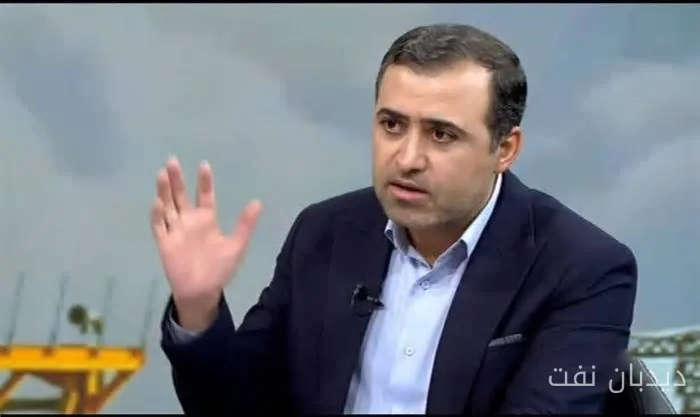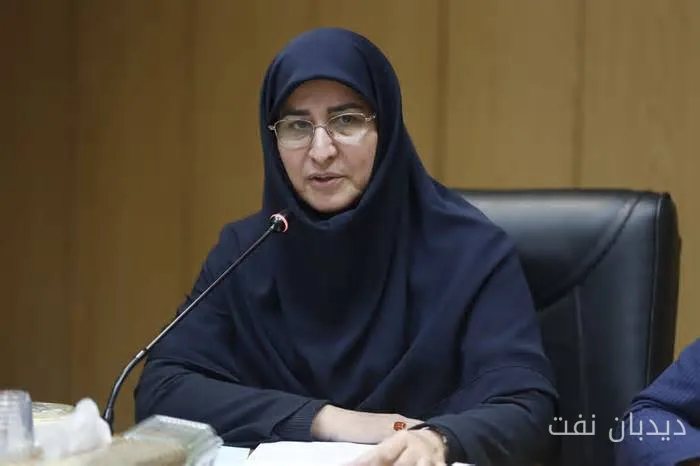
Rezvan Hekimzadeh emphasized the importance of preserving students' instructional time, stating: Instructional time in Iran is less compared to many countries; both in terms of the number of school activity days and the duration of students' presence in class and school. This issue can affect the quality of learning and educational outcomes.
School Closures and Their Impact on Instructional Time
He pointed out that school closures occur under various conditions, adding: Air pollution, energy imbalance, and snowfall are among the factors that sometimes lead to school closures, while these decisions are not necessarily the best solutions and can reduce students' instructional time. Hekimzadeh referred to the experience during the COVID-19 pandemic, noting that Iran was among the countries where in-person education was halted for an extended period.
Read more: Vulnerability of Saudi Arabia to Ansarullah Threats
New Policy of the Ministry of Education and Training
The Deputy Minister of Primary Education emphasized that schools should be the last place to close and that it is necessary to revise the policies regarding school closures to manage instructional time effectively. He explained the new policy of this ministry: Education and Training has now become the authority for making decisions about school closures, and with the delegation of authority, it has become possible to make decisions tailored to the conditions of each region.
Hekimzadeh also referred to the results of a research report on the factors leading to school closures, stating that this study evaluated the impact of school closures on energy imbalance as well. According to the findings of this research, school closures do not significantly affect the reduction of energy imbalance, and therefore such decisions should be made with greater caution.
Regarding school closures during air pollution, he mentioned that in some countries, schools continue to operate even under pollution levels higher than the standards used in Iran, and therefore, hasty decisions to close schools should be avoided.
The Deputy Minister of Primary Education emphasized the necessity of reforming energy consumption patterns and stated that through education and cultural promotion, some unnecessary closures can be prevented. Hekimzadeh added: In many cold countries, snowfall and severe cold do not necessarily lead to school closures, and students attend school with appropriate clothing.
He concluded by emphasizing that managing instructional time, preventing unnecessary closures, and reforming consumption patterns require cultural promotion and a revision of certain policies.
Read more: Ismail Hosseini: Overcoming Energy Imbalance in Wartime Requires National Consensus · Results of the Poll by the Jihad University Research Center on Energy Imbalance Announced