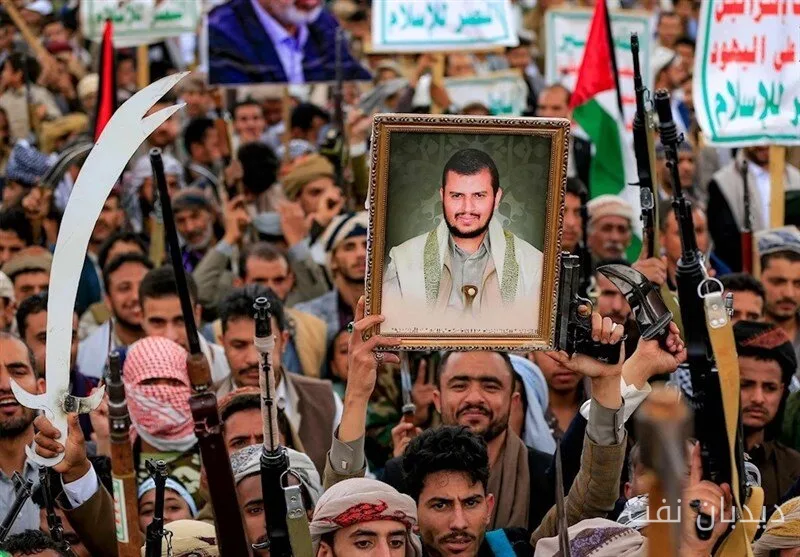
Saudi Arabia, the world's largest oil exporter and one of the most equipped armies in the region, is seriously facing new threats due to the developments in the Yemen war in 2026. The missile and drone attacks by Ansar Allah on southern Saudi cities, from Khamis Mushait and Abha to Jazan, have not only injured dozens of civilians but have also set fire to Aramco's oil facilities and temporarily halted operations at vital refineries.
Ansar Allah's Strategic Shift and Its Impact on Saudi Position
In recent years, Ansar Allah has changed its strategy from a war of attrition within Yemen to a regional campaign. In September 2026, this group seized the strategic port of Mocha on the Red Sea coast and advanced to the strategic Hanish Islands, solidifying its control over the Bab al-Mandab Strait. This strait has become a lever in Ansar Allah's hands as a vital route for global trade and Gulf energy exports.
Read more: The Ministry of Education emphasized the reopening of schools in person in Mehr
With the closure of the Strait of Hormuz due to the war and a sharp decline in oil exports from this route, Saudi Arabia has been forced to transport its oil through the East-West pipeline to the port of Yanbu on the Red Sea. However, this alternative route is now also within Ansar Allah's reach, putting both of Saudi Arabia's critical energy chokepoints under pressure simultaneously.
Saudi Arabia's Military and Economic Challenges
Military analysts emphasize that Saudi Arabia has a significant military advantage, but the experience of the Yemen war has shown that this equation does not simply work against asymmetric actors. Ansar Allah has managed to create a risk for commercial shipping using ballistic missiles, suicide drones, and naval mines, which can exponentially increase transportation costs.
After a decade of war in Yemen, Saudi Arabia now faces a difficult crossroads: continued restraint may increase the risk of becoming a "permanent target," while an escalated response could plunge the country into a war whose political and economic costs conflict with the Crown Prince's developmental plans.
Moreover, Saudi Arabia's vulnerability is not only military; the collapse of regional alliance architectures and internal rifts among Riyadh's allies have also impacted this situation. Saudi Arabia now finds itself in a position where it must confront its strategic isolation, as its traditional allies either lack the capacity or willingness to engage directly in the conflict.
Ultimately, Ansar Allah aims to exert gradual and attritional pressure on Saudi Arabia, creating conditions that can significantly increase the costs of countering threats. This situation has posed numerous challenges for Saudi Arabia and reflects profound changes in the region's security and economic equations.
Read more: Analysis of the Maximum Pressure Approach in Iran's Policy · Saudi Arabia: Closure of oil pipeline due to Iraqi drones!