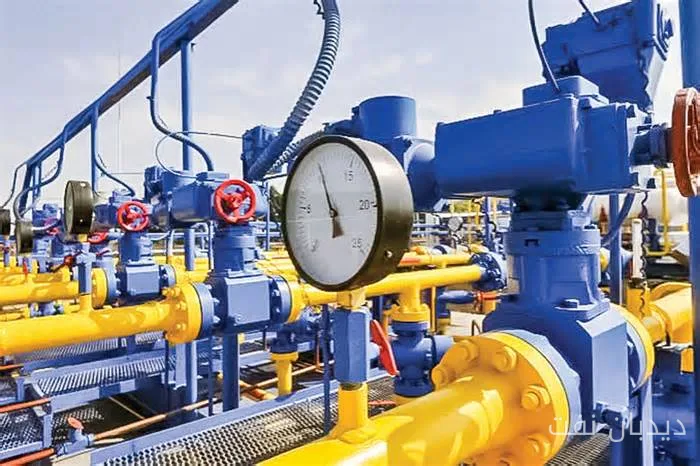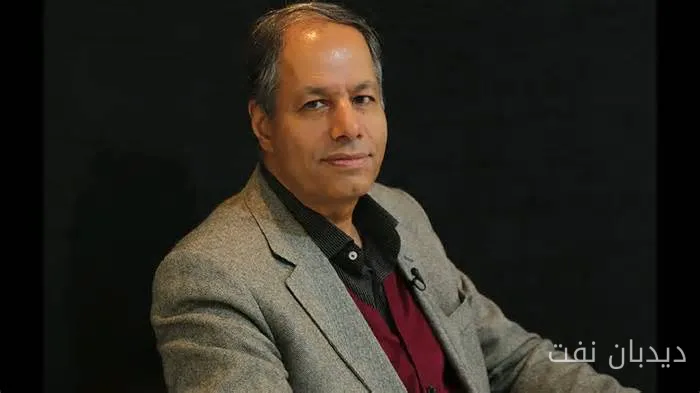
Hashim Orayi, the head of the Iranian Energy Associations Union and a professor at Sharif University of Technology, warned about the dimensions of the gas and electricity imbalance crisis as the cold season approaches and analyzed the reasons for this crisis. He described the reduction in consumption due to industrial recession as "false achievement" and emphasized the need to focus on infrastructure investments and structural problems.
Analysis of the Energy Imbalance Situation
Orayi said: "Our gas production throughout the year cannot meet the country's needs. Now, in the shadow of war, not only has our gas production not increased, but demand has also doubled. The average household consumption in the country is 28 percent of the total gas, and most of the gas is used for industrial purposes, but household needs increase to 46 percent in the cold season." He continued: "We cannot say that war is the cause of the country's energy imbalance. The war has only exacerbated the problems and created a combined imbalance of electricity and gas. We must pray this winter that it does not get colder."
Read more: 35.7% decline in Iran's goods and services exports in spring 1405
Structural Challenges and Their Consequences
Orayi criticized short-term approaches in energy management, stating: "We have become accustomed to creating achievements and ignoring real problems. The Statistical Center of Iran says our country's economy has shrunk by 11 percent and our industrial sector by 5.7 percent. The reduction in energy consumption is not an achievement. Our economy has shrunk, and as a result, since our economic table has shrunk, we also have a reduction in energy consumption. This type of consumption reduction is fundamentally wrong."
He also pointed to the fundamental challenges in the energy industry, stating: "Seven major refineries in our country are over 60 years old. There is no meaningful correlation between the level of welfare and energy consumption. We constantly cut off gas to the industry to meet household consumption; this is a disaster."
Orayi ultimately emphasized that short-term approaches in energy management can cause serious damage to the country's energy infrastructure in the long run and reminded of the necessity to focus on long-term planning.
Read more: Ahmad Faalehgary: Kurdistan's readiness for gas consumption management in winter · Dan Jørgensen warns about the energy price crisis in the European Union