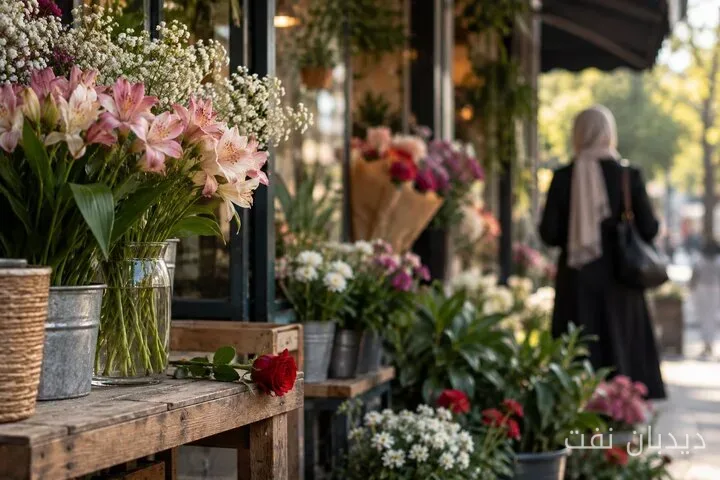
Gholamhossein Soltani-Mohammadi, the head of the Union of Flower and Plant Producers in Tehran Province, stated regarding the state of the flower and plant market and the decline in sales in this area that this market has been affected by economic conditions and no longer holds a place in household expense budgets.
The Impact of Economic Conditions on the Flower and Plant Market
Soltani-Mohammadi pointed out that households' priorities have shifted to purchasing food items, saying: "Given the situation that has arisen in recent months due to the war, the market is struggling with problems, and buying flowers has moved down the list of priorities."
Read more: The US and France are drafting a Security Council resolution regarding the Strait of Hormuz
He also referred to the rising production costs and added: "The cost of flower production has significantly increased. Labor, fertilizer, pesticide, electricity, and gas costs have all risen, and overall, the final production costs for producers have increased."
Soltani-Mohammadi emphasized that despite these challenges, production continues, but demand in the domestic market has decreased. In this situation, exports could be a leading option for this industry.
Challenges of Production and Exports
The head of the Union of Flower and Plant Producers in Tehran Province referred to the impact of rising input costs on production and said: "During the recent wars and at a time when flights were suspended, the import of some inputs and items needed for this industry from abroad faced difficulties."
He added: "Some flower bulbs that were imported from other countries did not enter the country during this period, resulting in shortages."
Soltani-Mohammadi stated that Iran ranks 17th globally in flower and plant production and pointed to the gap between production capacity and the country's export ranking, saying: "Our export ranking is 107th. Therefore, the country's production status is favorable, but it is essential to create suitable conditions for converting this production into exports."
He emphasized that efforts should be made to produce goods that can be manufactured domestically to reduce the need for imports. An excessive influx of foreign goods can harm domestic production.
In conclusion, Soltani-Mohammadi stressed the necessity of focusing on export development and reducing imports, saying: "By enhancing domestic production, not only do we support producers, but we also prevent a significant amount of currency from leaving the country."
Read more: The Offen Group is seeking orders for new container ships in China · Mo'tamedian: The Tehran Free Zone must be turned into an export platform