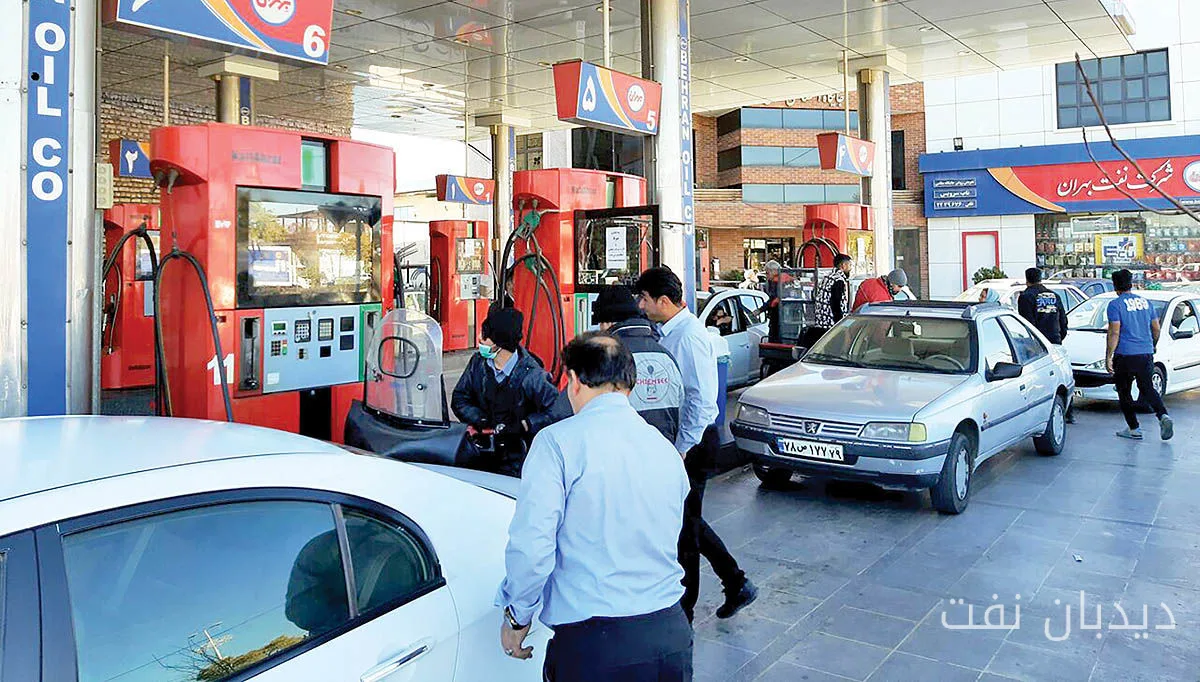
Mohammad Sadegh Azimi Far, the CEO of the National Iranian Oil Refining and Distribution Company, has reported a decrease in the annual growth of gasoline consumption in September. According to his statements, the growth of gasoline consumption, which was about 6 percent this year, has now turned negative. This change, alongside an approximate 17 percent increase in average gasoline production and about a 12 percent growth in CNG consumption, indicates developments in the balance of Iran's fuel market.
Trends in Gasoline Production and Consumption Changes
Azimi Far also referred to the increase in refinery production, adding that this increase is related to the implementation of the so-called "third price" plan and the organization of fuel cards. Although the decrease in consumption growth may indicate an improvement in the balance of supply and demand, it should be noted that a decrease in consumption growth does not mean an absolute reduction in consumption. In other words, a negative annual growth means that consumption has been lower compared to last year, but this alone cannot indicate the resolution of imbalance.
Read more: A crude oil tanker was targeted by an unknown projectile in the Strait of Hormuz
Assessment of Imbalance and Challenges Ahead
The gasoline imbalance relates to the difference between supply and demand, and a precise assessment requires an examination of the actual volume of production, domestic consumption, imports, and reserves. According to the CEO, the increase in refinery feedstock and the implementation of key projects have been effective factors in the growth of gasoline production. However, to sustainably assess the reduction of imbalance, it must be determined when these changes occurred and whether they will continue in the coming months.
In early September, the average daily gasoline consumption was reported to be about 132 million liters, while the average in August was about 138 million liters. These figures relate to different periods and cannot be directly compared. Therefore, analyzing the fuel situation requires a more detailed and continuous examination of production and consumption data.
Azimi Far also mentioned the approximately 12 percent increase in CNG consumption, which may reduce some of the demand for gasoline. However, to assess the actual impact of this change on gasoline consumption, more accurate information about the volume of CNG consumption and the number of active dual-fuel vehicles is needed.
The CEO of the National Iranian Oil Refining and Distribution Company also emphasized that organizing fuel cards and reviewing transport documents could help enhance transparency in fuel distribution. However, to measure the impact of these actions, data such as the amount of confirmed violations and the volume of recovered fuel must be published.
Overall, the negative annual growth of gasoline consumption in September, along with increased production, could be a sign of a temporary improvement in the balance of supply and demand. However, a more detailed examination and the regular publication of monthly data on production, consumption, and reserves are crucial for a sustainable assessment of fuel imbalance.
Read more: SPM Shipping added its third tanker to the fleet · Iran is seeking to diversify its fuel basket using CNG and LPG



