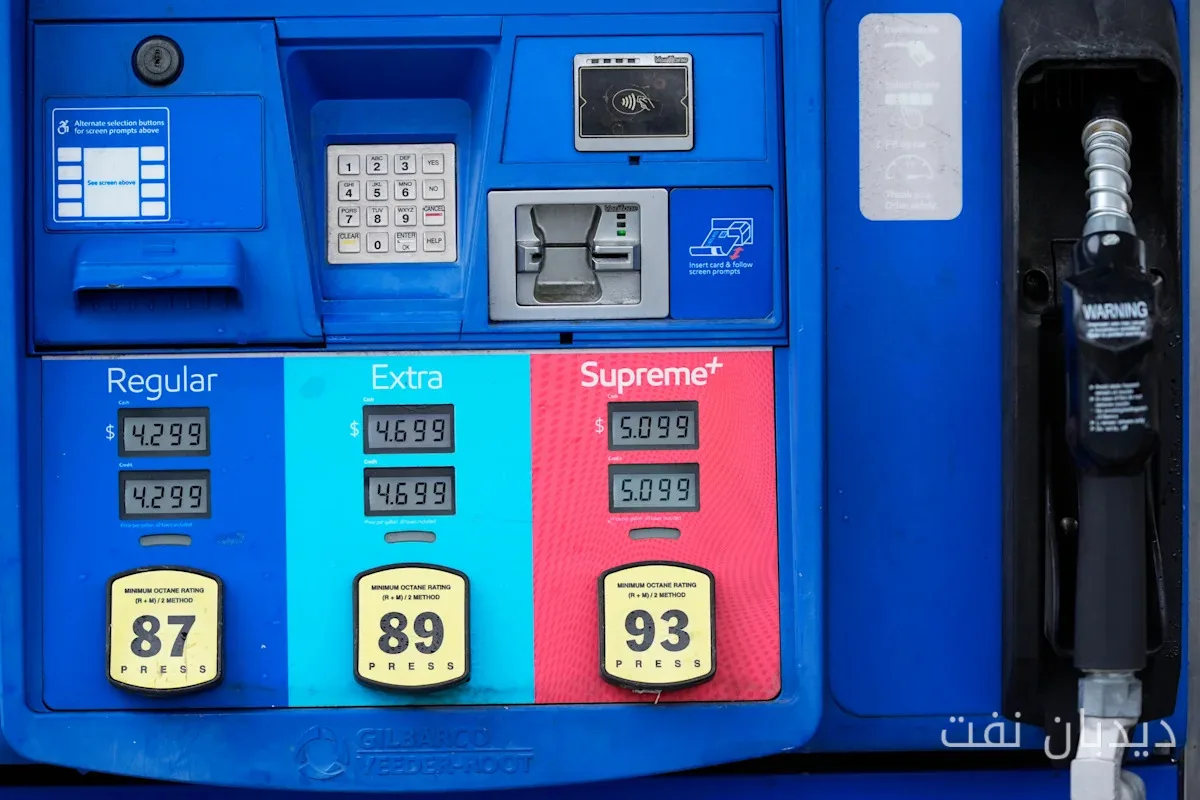
The price of gas has increased unprecedentedly in recent weeks, creating serious concerns among consumers and analysts. The war in Iran and its consequences on global markets are considered the main factors behind this sudden price increase. In a situation where many countries are seeking stable and reliable energy supplies, these tensions and uncertainties regarding the future of energy supply could have dire consequences.
Why Have Prices Increased?
The increase in prices is dependent on several factors. On one hand, geopolitical tensions and military conflicts in the region, especially in Iran, have put international buyers in a state of uncertainty regarding their gas supplies. This uncertainty not only affects prices but also creates instability in the supply chain.
On the other hand, global demand for natural gas due to increased energy consumption in developing countries and also climate changes that have raised the need for cleaner energy sources also play a role in these price changes. As a result, under current conditions, predicting a decrease in prices seems difficult.
What Will the Future of Gas Prices Be?
Economic experts believe that a reduction in prices requires an international agreement and a decrease in existing tensions in the region. Any signs of improvement in the situation could help reduce prices and stabilize the market. However, as long as conditions remain unclear, significant changes in prices seem unlikely.
It appears that in the coming days, consumers and analysts should continue to expect more volatility in gas markets. This situation clearly reflects the challenges facing the global economy, and its impacts could extend beyond the geographical borders of countries.