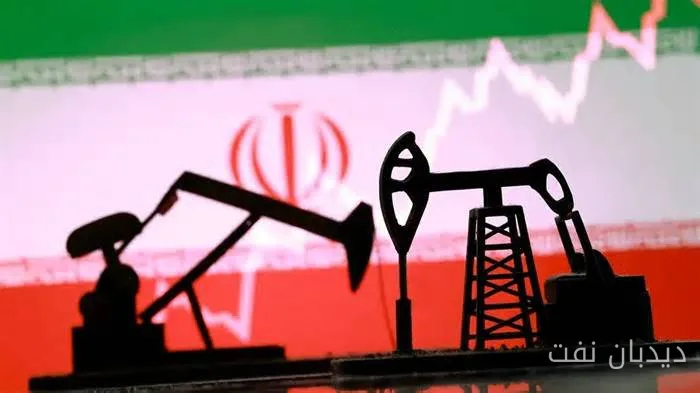
The energy crisis in Europe is significantly escalating due to sanctions and the complex geographical situation. The Strait of Hormuz and Bab el-Mandeb, as two key routes for oil transportation, are currently under various pressures that could have profound effects on energy supply and prices in the European continent.
Geographical Position Impacts
The Strait of Hormuz, as one of the most important oil passageways in the world, is currently facing multiple threats. Any disruption in this passage could lead to a severe reduction in oil supply. Additionally, Bab el-Mandeb, as another vital route for oil transportation, is also exposed to security threats. This situation could exacerbate the energy crisis in Europe.
Read more: The Islamic Republic Continues to Use the Strait of Hormuz as a Pressure Lever
Sanctions and Their Effects on Refineries
Sanctions against oil-producing countries and the cessation of the East-to-West pipeline operations in Saudi Arabia have created new challenges for oil refineries in Europe. These issues could lead to an increase in energy prices during the winter season, especially if adverse weather conditions prevail. Analysts point out that a harsh winter is expected, and this will clearly impact the energy market.
Given these circumstances, the need for diplomacy and international cooperation to manage the energy crisis is felt more than ever. European countries must seek solutions to mitigate the negative impacts of this crisis and address their energy needs.
Read more: Iraqi Explained the Details of the Seven-Day Plan to Reopen the Strait of Hormuz · Increase in Daily Oil Passage Through the Strait of Hormuz to Over 20 Million Barrels



