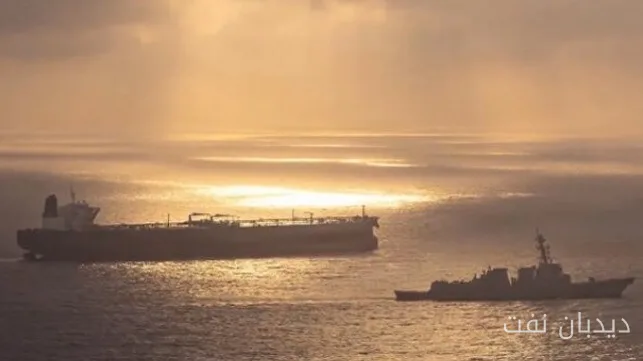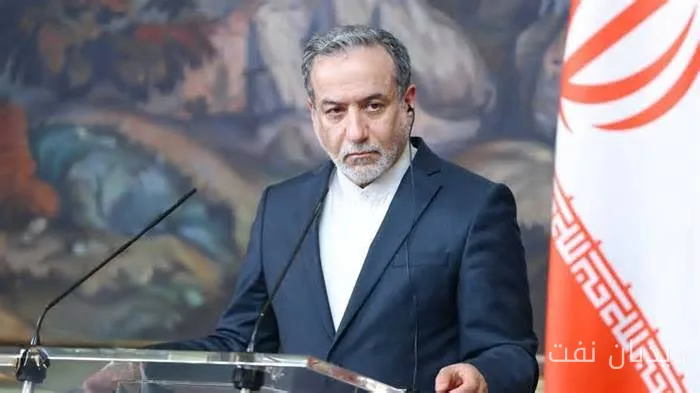
Mohammad Javad Zarif, the Iranian Foreign Minister, referred to the details of the seven-day plan to reopen the Strait of Hormuz during a press conference on Wednesday. This plan is presented as a diplomatic action aimed at reducing existing tensions in the region and creating a suitable environment for further negotiations.
Background and Reasons for the Plan
The Strait of Hormuz, as one of the most important oil transit routes in the world, has always been at the center of international attention. Given the economic sanctions and political pressures on Iran, the country has decided to propose a plan to reopen the Strait of Hormuz under specific conditions. According to Zarif, this plan could serve as an opportunity to revive regional diplomacy and reduce tensions between countries.
Read more: The Impact of ISO 14060 Standard on Transparency of Net Zero Goals in the Shipping Industry
Conditions and Requirements of the Plan
The Iranian Foreign Minister pointed out the conditions that must be met for the implementation of this plan. Zarif emphasized that acceptance of Iran's conditions by other countries is a fundamental requirement of this plan. He also highlighted the importance of cooperation among the Gulf countries in this regard and stressed the need to establish a collective security system. According to his statements, this plan could be seen as an initiative to ensure security in the region and protect Iran's national interests.
Zarif further mentioned the existing challenges in implementing this plan, including political and military obstacles, and emphasized the necessity of positive interaction between countries to achieve these goals. He also referred to the negative impacts of sanctions on Iran's economy and the increase in military tensions in the region, urging the international community to work towards establishing peace and stability in the Gulf.
Possible Consequences of Implementing the Plan
The implementation and success of this plan could have significant implications for security and stability in the Gulf region. Especially in the current situation where tensions between Iran and some Western countries have reached their peak, creating a suitable environment for negotiations and dialogue could lead to a reduction in military and economic risks. This plan could also serve as a model for other countries in resolving regional disputes.
In conclusion, Zarif, emphasizing the importance of diplomacy and constructive negotiations, expressed hope that with the acceptance of Iran's conditions, the possibility of reopening the Strait of Hormuz would be provided in the near future. This issue would not only benefit Iran but also all countries in the region.
Read more: Trends in the Shipping Market Affected by Geopolitical Crises · Qatar Rejected Plans to Bypass the Strait of Hormuz for Gas Exports