Donald Trump, the President of the United States, will meet with the leaders of the Gulf Arab countries later this month on the sidelines of the United Nations General Assembly. This meeting is being held to discuss military conflicts with the Islamic Republic and ways to end them.
U.S. Diplomatic and Military Efforts
This meeting takes place as the U.S. government simultaneously increases pressure on the Islamic Republic while pursuing diplomatic efforts to end the war and conducting military operations to protect shipping in the region. In response to a question about the state of the war, Trump expressed hope that the conflicts are nearing an end, adding, "They want to make a deal, and we will see how this process goes. The [Iranian] regime is very eager to reach an agreement."
Read more: Research shows 29% of ships cause 70% of maritime accidents
Consequences of War and Security Threats
Trump's meeting with the leaders of the Gulf Arab countries comes at a time when countries in the region are facing the direct consequences of war. These consequences include missile and drone attacks, disruptions in shipping, and energy exports. Additionally, the conflicts in Yemen have become another significant security issue for the United States and its regional partners.
Fox News previously reported that a ship under U.S. contract was targeted by an Islamic Republic projectile earlier this week near the Strait of Hormuz, injuring several individuals in the incident. No further details about the ship and its mission have been released.
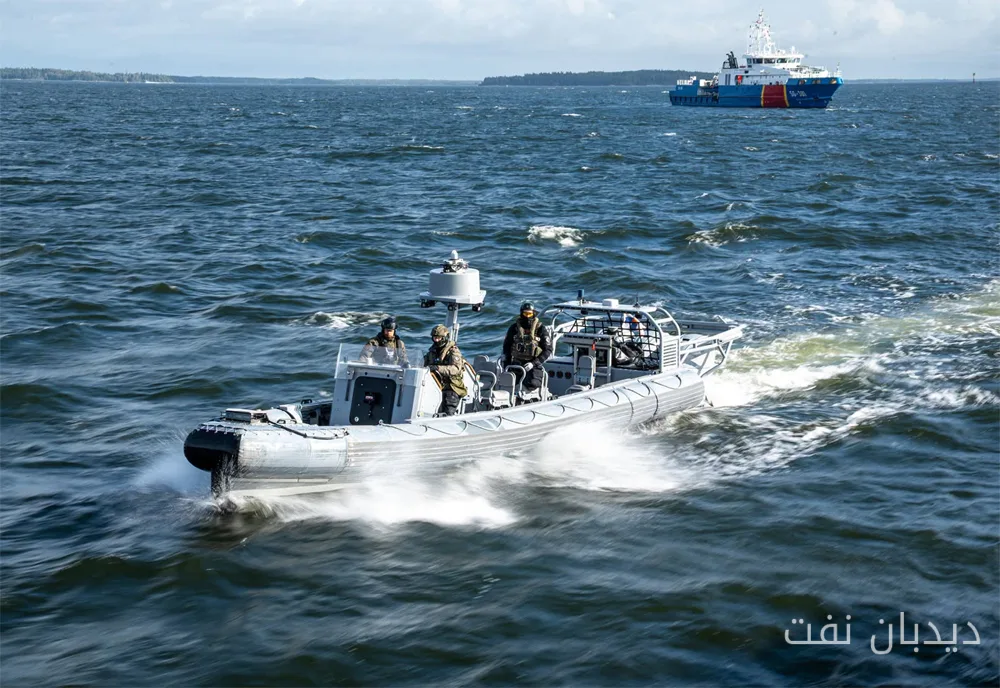
U.S. forces continue their naval operations against the Islamic Republic. In this context, the aircraft carrier USS George Washington has been deployed in the Arabian Sea, and F-35 and F-18 aircraft are available for regional operations under U.S. command. One American commander has stated that a significant part of the mission of the forces stationed in the region is to monitor ships within the framework of a naval blockade and to protect vessels that have been granted passage through the region's waters.
Meanwhile, the conflict in Yemen has also intensified, with Iran-backed Houthis increasing their attacks against Yemeni government and Saudi forces. These developments have been raised as one of the security challenges for the United States and Gulf Arab countries.
Read more: The U.S. Navy allocated $173.7 million for upgrading the Seattle base · Biofouling risks for ships in the Persian Gulf due to prolonged stoppage