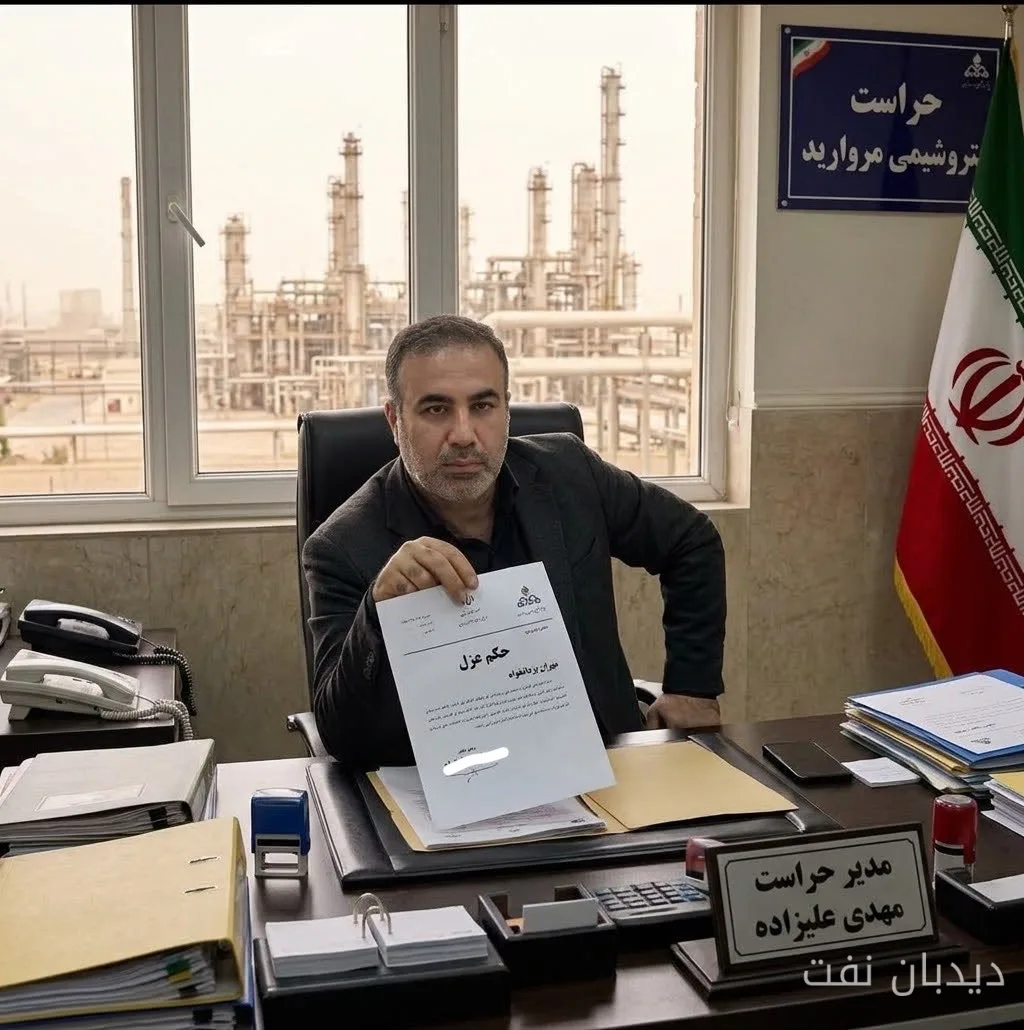
Following recent protests against the existing corruption at Morvarid Petrochemical, Mehran Yazdankhah, the head of physical security at the company, was dismissed by the order of the security manager. This action comes at a time when criticisms regarding management practices and financial corruption at this petrochemical company have significantly increased.
Background and History of Protests
Morvarid Petrochemical Company is one of the largest producers of petrochemical products in Iran, but in recent months, reports of corruption and mismanagement within the company have emerged. Employees and labor representatives at this petrochemical facility have continuously complained about adverse conditions and internal corruption. Recent protests, particularly against financial corruption, have prompted some employees, including Mehran Yazdankhah, who was involved in managing these issues, to react.
Yazdankhah's dismissal after an internal meeting where he expressed his criticisms of corruption in front of other employees raises the question of whether this action is considered a punitive response to his protests. In fact, this action reflects the prevailing atmosphere at Morvarid Petrochemical and possibly other state institutions where criticism of management practices and corruption can have serious repercussions for employees.
Consequences of Dismissal
This action could have serious consequences for other employees at Morvarid Petrochemical, and the fear of similar repercussions may lead to silence and a lack of protests from employees in the future. This issue could negatively impact the performance of this petrochemical company and also affect public trust in it. In fact, Yazdankhah's dismissal may be perceived as a signal to other employees that criticism and protest against corruption could lead to dismissal and termination.
On the other hand, this dismissal could draw more attention to the existing corruption at Morvarid Petrochemical and the need for serious reforms in this area. Experts and analysts believe that if such issues are not seriously addressed, it could lead to further weakening of the petrochemical industry and increased dissatisfaction among employees.
It seems that the silence of the Minister of Oil in this regard also serves as a form of endorsement of these corrupt practices and inappropriate management methods. This silence could lead to increased criticism from the community and economic activists, highlighting the necessity for accountability from managers.