The maritime industry is facing new challenges regarding environmental requirements. On September 24, 2026, World Maritime Day will be held under the theme "From Policy to Action: Enhancing Maritime Excellence." This event emphasizes the need for real changes in how ships operate and coastal operations.
Challenges of Transitioning to Sustainable Shipping
Over the past few decades, the maritime industry has significantly addressed strong legal frameworks, but mere compliance with legal requirements cannot lead to real changes. Currently, the industry must seek to translate policies into practical actions on ships. In this regard, the move towards carbon reduction and the establishment of sustainable shipping requires long-term empowerment.
Read more: The project to convert the Shanghai logistics terminal to foreign trade has begun
Environmental performance is a good example of these challenges. Shipowners and managers are facing new requirements regarding greenhouse gas emissions, efficiency targets, and increased reporting requirements. Alongside technological changes, preparation for a future with alternative fuels and new propulsion systems is essential.
The Need for Training and Employee Engagement
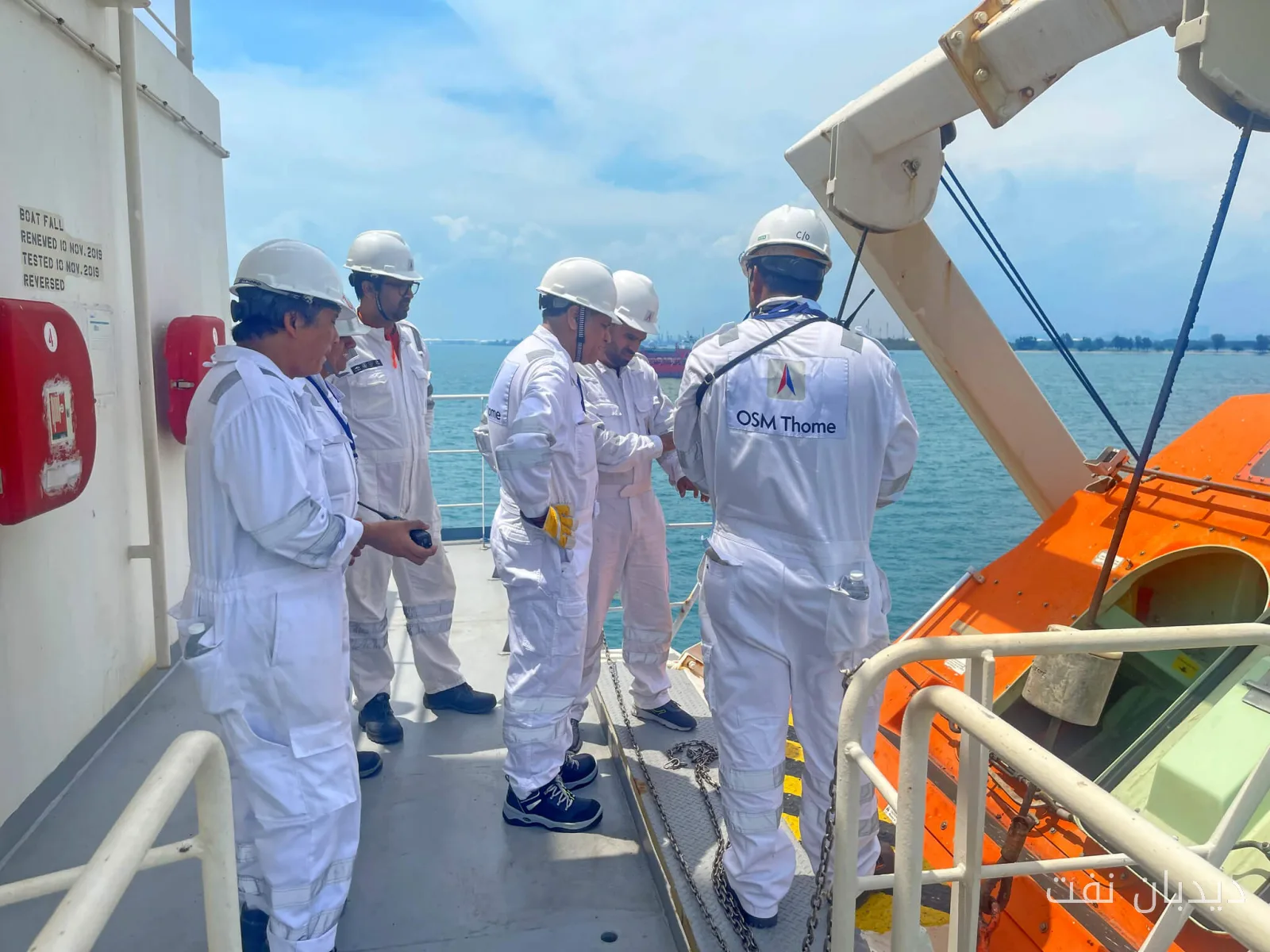
In this context, training maritime personnel to understand changes and their impacts on daily operations is of special importance. While data collection and the development of new procedures are essential, employees must have the ability to understand and utilize this information. This requires practical and experiential training so that employees can make decisions confidently.
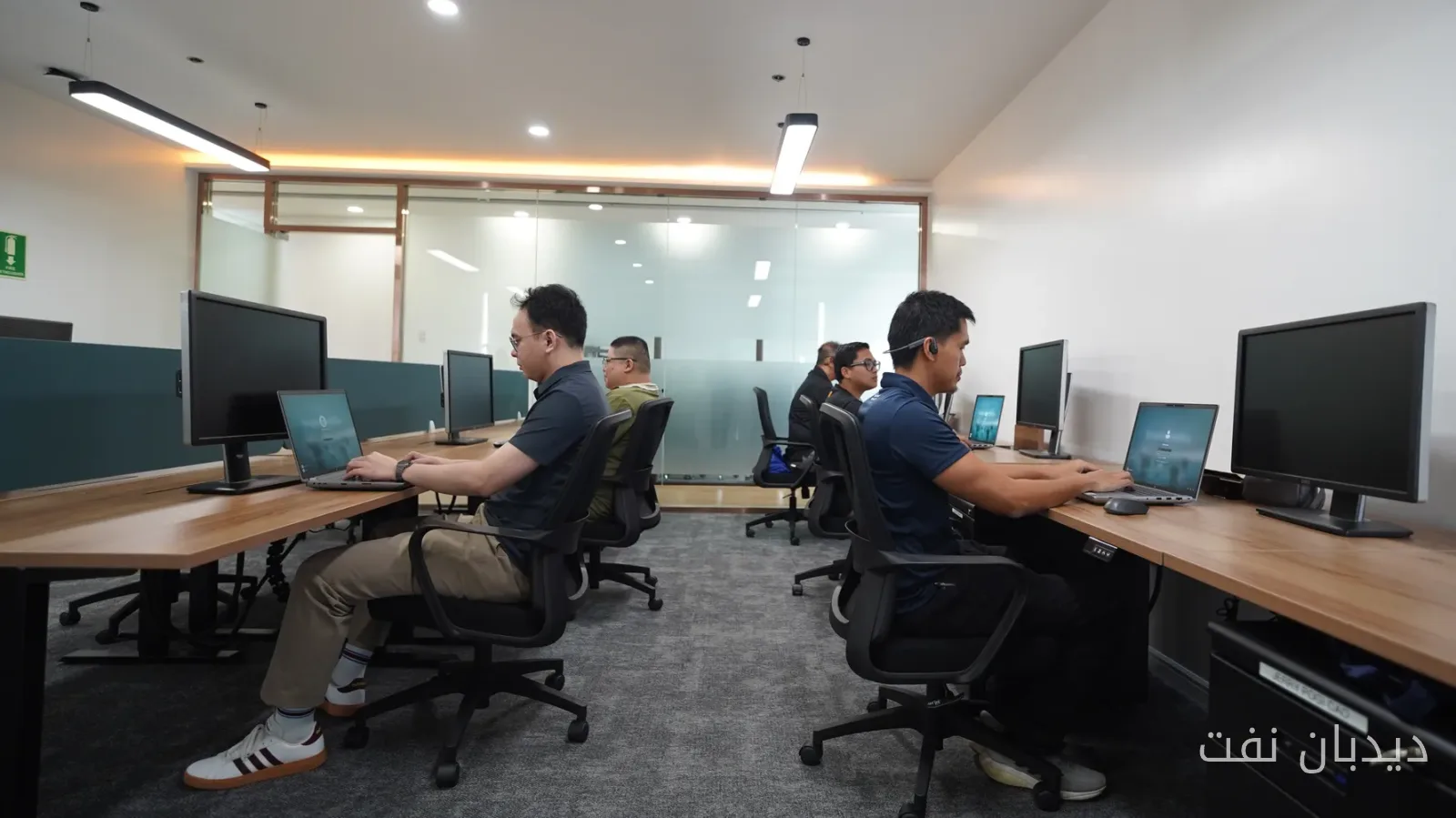
Management and support teams onshore must also be well-acquainted with changes in the operational environment to make informed decisions. Environmental and operational data collection is conducted at a high level, but the effective use of this data must be prioritized.
Ultimately, success in transitioning to sustainable shipping depends as much on fuels, technology, and regulations as it does on people. Policies can set the direction, and technology provides powerful tools, but it is individuals who will transform this direction into sustainable environmental performance with their knowledge and practical skills.
Read more: Korean companies Gazantek and Samsung Heavy Industries signed an agreement for LNG commercialization · An unprecedented increase in the container ship fleet is underway