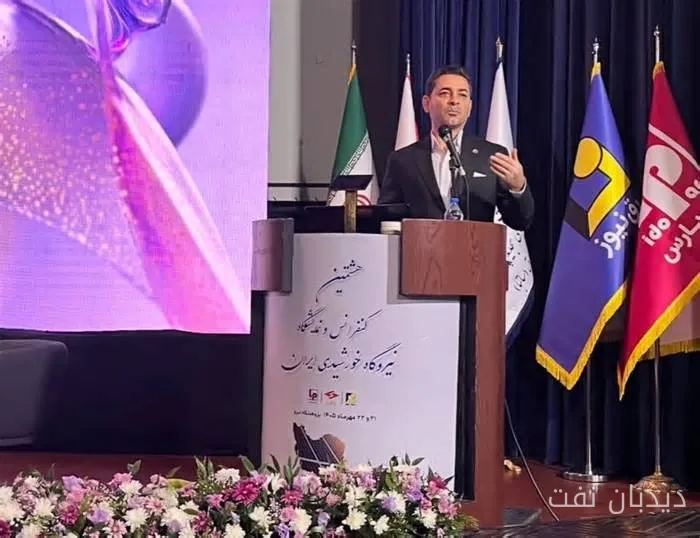
The development of distributed solar power plants in Iran has become one of the main priorities of the Investment and Development Department of SATBA. Mohammad Nejad Sigaroudi, the deputy of this organization, emphasized on the second day of the 8th Solar Power Plants Conference and Exhibition that small-scale solar power plants, especially in residential, commercial, industrial, and rural sectors, hold a significant position in leading countries.
Benefits of Developing Solar Power Plants
Sigaroudi pointed to the advantages of generating electricity at the point of consumption and added that installing solar systems on rooftops, balconies, and industrial units can reduce dependence on the transmission and distribution network and increase the stability of electricity supply. Additionally, the development of these systems, especially in the winter season, can help reduce pressure on the power grid.
Current Status and Development Capacity
Currently, over 50,000 distributed solar systems are active in Iran, and their total capacity has exceeded 664 megawatts. Sigaroudi also referred to financial mechanisms, including guaranteed electricity purchase contracts and electricity supply on the green board of the energy exchange, which can facilitate the development of power plants.
Industrial parks and zones have been identified as the main platforms for the development of these power plants. According to agreements made with the Ministry of Industry, Mine and Trade, the use of the roofs of industrial warehouses and land within industrial parks for the construction of solar power plants is prioritized. Estimates indicate that there is about 4,000 hectares of capacity on the roofs of industrial warehouses and 4,000 to 5,000 hectares of land within industrial parks for this purpose.
Future Plans and Their Impact
Sigaroudi also mentioned the possibility of developing at least 500 megawatts of solar power plants in agricultural branches and plans for developing systems in government offices and schools. These programs can help reduce consumers' dependence on the power grid and increase their participation in electricity production.
The experience of implementing distributed solar power plants in southern Kerman demonstrates the high potential of these plants in supplying electricity close to the point of consumption. According to a report, these plants have been able to cover 64% of the household electricity demand in the region during daytime hours.
Read more: President: The benefits of smart fuel management should be used to support the underprivileged · Mahmoud Mahmoudi: 1500 megawatts capacity of rooftop solar power plants in Tehran