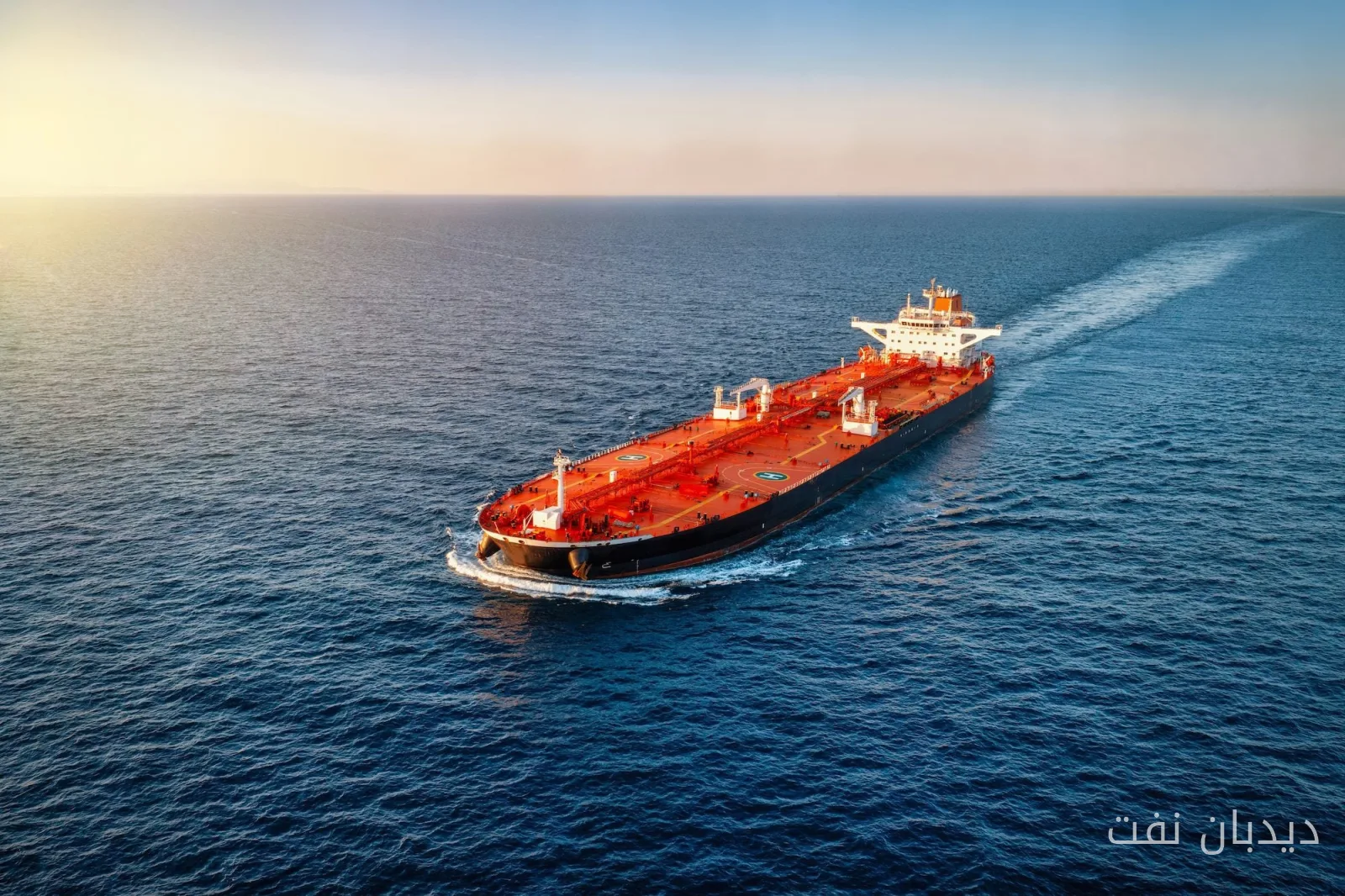
The freight rates for super tankers, also known as Very Large Crude Carriers (VLCC), have dropped to around 776 points on the Worldscale basis this week. This rate is lower than the 841 points from last week, which was the highest level since the beginning of this rate earlier this year. This rate decrease follows recent attacks on ships in the Middle East and a reduction in demand on oil transport routes.
Market Analysis and Decreased Demand
According to analysts, tanker freight rates in the Gulf of Oman have sharply decreased due to reduced demand on this route. Matthew Wright, an analyst at Kpler, stated that new attacks in the region have led to lower freight rates and consequently a decrease in export volumes. This has been particularly impactful given that freight rates in the Persian Gulf have generally increased.
Read more: Finder Energy begins drilling three wells in East Timor
Consequences of Sanctions and Oil Demand
Additionally, statements from Trump administration officials regarding the possibility of easing sanctions on certain shadow tankers have also contributed to the decrease in rates. Michael Ryan, an analyst at Sparta Commodities, noted that if these sanctions are lifted, the number of ships able to transport oil will increase. This could lead to lower shipping costs and consequently reduce inflationary pressures on businesses and consumers.
Despite the decrease in rates, freight rates are still close to historical highs. The U.S. and Israel's war against Iran has increased the use of ship-to-ship transfers for transporting oil from the Strait of Hormuz, bolstering demand for tankers. If shipping costs remain high, it may lead to increased inflationary pressures in the global economy.
This week, rates on other routes have also fallen below record levels, including from West Africa to Asia. These changes in rates reflect the broader impacts of political and economic developments on the oil market and its transportation.
Read more: 800,000-ton reduction in fuel oil supply following tensions in the Middle East · Houthi attacks on Saudi Arabia to pressure Mohammed bin Salman



