The decline in gasoline quality in Iran has emerged as one of the serious challenges in the country's energy balance. Studies show that aging technology and the high share of fuel oil production in old refineries are among the most important reasons for this issue. Given the country's increasing need for gasoline and rising demand, this challenge could have serious consequences for the economy and energy security of the country.
Current Status of Refineries
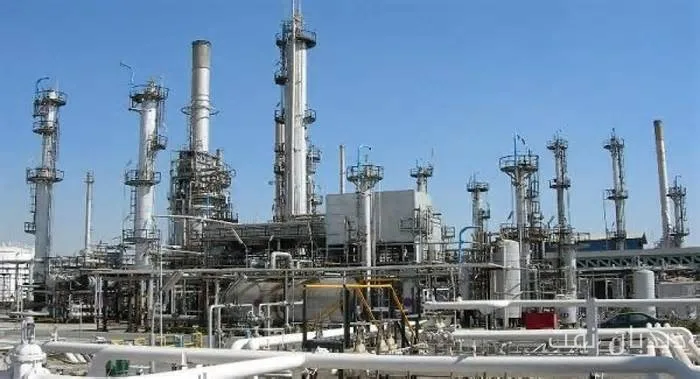
Old refineries in Iran have become outdated due to a lack of modernization and technological updates. This issue has led to a decline in the quality of petroleum products, especially gasoline. Currently, the high share of fuel oil production in these refineries has resulted in a decrease in the quality of produced gasoline and has created an imbalance in supply and demand.
Read more: Matthew Gold: The Iranian regime remains in power despite major changes
Consequences of Declining Gasoline Quality
The decline in gasoline quality due to aging technology and high fuel oil production can have economic, social, and environmental repercussions. This situation could lead to increased fuel costs, reduced public satisfaction, and increased air pollution. Additionally, there is a possibility of energy crises occurring in the near future, which requires immediate attention and action.
Therefore, the necessity for modernization and technological updates in refineries is felt as a key action to improve gasoline quality and reduce energy imbalance in the country. This not only will help improve fuel quality but may also lead to an improvement in the country's economic situation.
Read more: The Islamic Republic continues to use the Strait of Hormuz as a pressure lever · Liquid fuel storage for power plants announced by the Minister of Oil