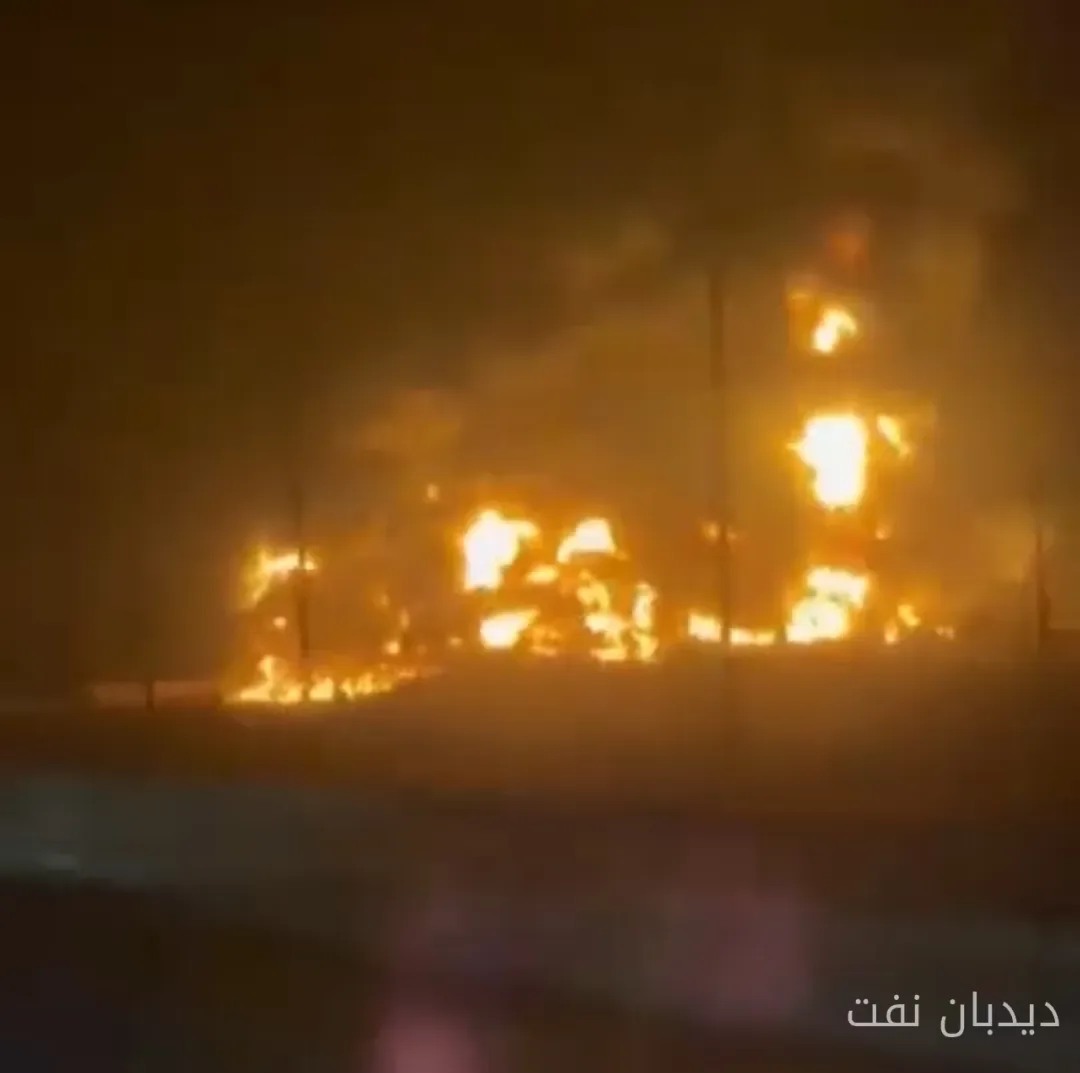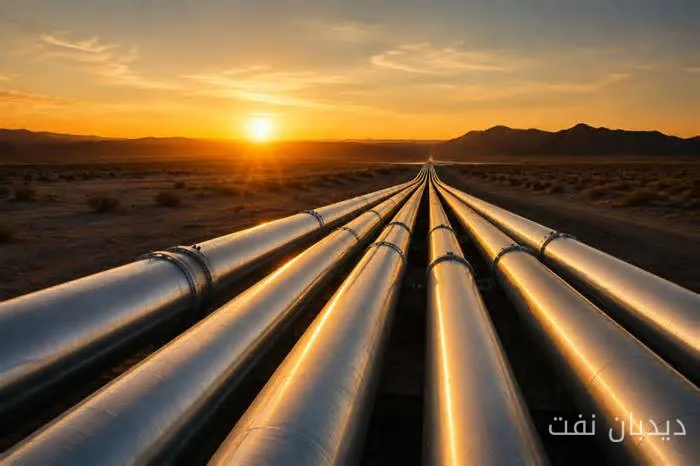
Damage to the East-West pipeline in Saudi Arabia following an attack that occurred on Thursday will likely have serious impacts on the country's oil exports. This pipeline, which is approximately ١,٢٠٧ kilometers long, runs from the eastern regions of Saudi Arabia to the port of Yanbu on the Red Sea and has a capacity to transport about ٤ million barrels of oil per day.
Details of Damage and Repairs
Saudi Arabia has temporarily halted oil transportation through this pipeline following the attack. Specific information about the extent of the damage and the timeline for repairs has not been officially released, but estimates suggest that these repairs may take between three to five weeks. Given that this pipeline is considered a vital route for oil exports, disruptions to it could have major impacts on the global oil market.
Read more: Seizure of oil tanker in the Strait of Hormuz due to sanctions
This pipeline has served as an alternative route for Saudi oil exports since the onset of the war and the closure of the Strait of Hormuz. Damage to this pipeline may increase pressure on regional countries to protect critical energy infrastructure and maintain export routes.
Impact on Loading and Exports
Yanbu port, which is the main outlet for this pipeline, is recognized as an important market point for Asian refiners. A few weeks of disruption in the operation of this pipeline could severely affect the loading schedules of oil tankers and the timing of cargo deliveries. However, the pipeline's shutdown does not mean an immediate halt to exports from Yanbu as existing reserves may help sustain part of the loadings.
Damage to pumping stations is one of the factors that could limit the overall capacity of the route. These stations are essential to compensate for pressure drops caused by friction and hydraulic resistances. Therefore, damage to a significant pumping station may not mean extensive damage to the pipeline itself, but it could severely limit the overall transfer capacity of the route.
Considering that the nominal capacity of this pipeline is ٤ million barrels per day, it should be noted that this capacity will not be available during the repair period. In the case of partial operation, the operational capacity will depend on various factors including the extent of the damage and the safe operating conditions.
Ultimately, this incident highlights the importance of oil transportation infrastructure in ensuring supply security and balancing the global market. Damage to the East-West pipeline in Saudi Arabia is not just an internal technical issue but could have widespread impacts on the global oil market and supply security in the region.
Read more: Santos signed a liquefied natural gas supply agreement with POSCO and the LNG project in Canada · Saudi Arabia halted oil loading to Europe after drone attacks