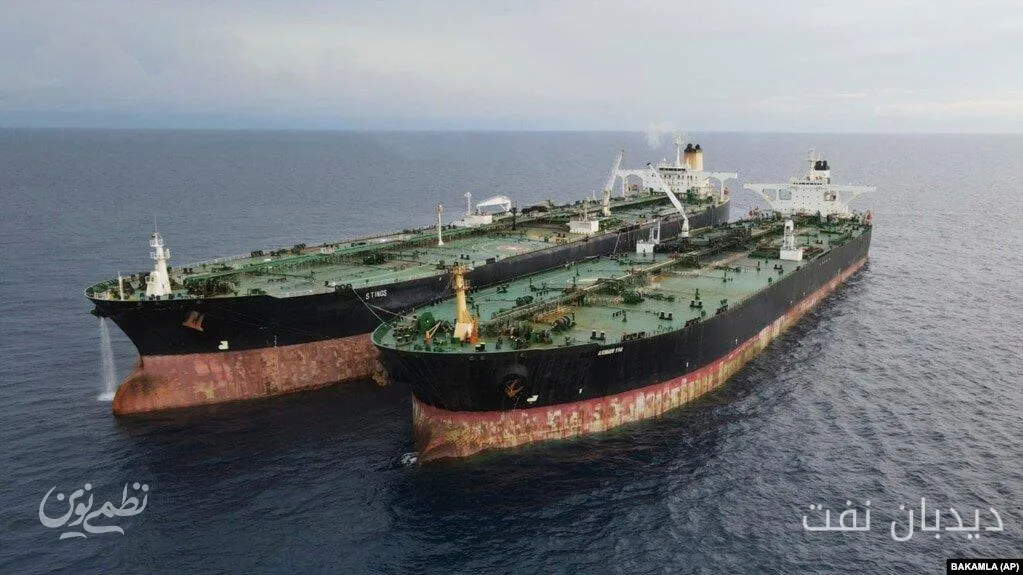
Recent reports indicate that despite the imposed restrictions, some Iranian energy shipments have successfully crossed the US maritime blockade. These new developments, especially in the context of the ongoing US maritime blockade, clearly reveal openings for Iran's energy exports.
Crossing of Energy Shipments and Tankers
Reuters reported on October 16, citing ship tracking data and maritime security information, that at least 8 tankers carrying liquefied natural gas (LPG) from Iran have crossed through the Oman Gulf. These tankers have been operating since the resumption of the blockade in mid-July 2023. Additionally, one of the tankers carrying jet fuel reached Myanmar in September. The movement of these vessels under the imposed restrictions indicates that routes for Iran's energy exports remain, however, there is not enough evidence to claim that commercial vessels are passing freely.
Read more: Iran continues to export fuel despite the US maritime blockade
Analysis of the Effectiveness of the US Maritime Blockade
Studies conducted show that the LPG and jet fuel shipments that have managed to cross the blockade should not be interpreted as a resumption of crude oil exports. Data from the tracking company Kpler indicates that Iran's maritime crude oil exports were halted in September. This raises questions about the effectiveness of the US maritime blockade. Concealment of shipment origins, ship-to-ship transfer methods, and information restrictions may influence this process.
According to these reports, it appears that the US blockade has not been able to block all routes for Iran's petroleum product exports. However, it cannot be easily concluded that this is a sign of a complete failure of the blockade or a deliberate oversight by Washington. Overall, the existing evidence suggests that the recent passage of commercial vessels requires more thorough investigations and additional evidence.
Read more: Iran continues to export liquefied gas and jet fuel · Increase in Iran's oil production to 3 million and 715 thousand barrels in October 1405



