The Council on Foreign Relations has conducted a comprehensive analysis assessing the status of oil exports and their impacts on the Iran crisis. This analysis particularly highlights the increase in oil exports from the Middle East in recent weeks and its effects on the Iran-U.S. war.
Status of Oil Exports in the Middle East
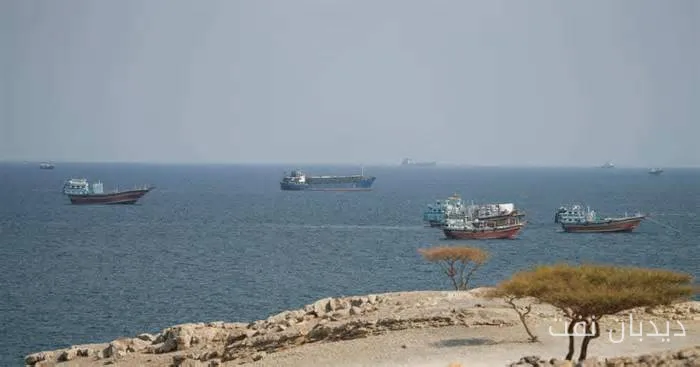
According to available statistics, crude oil exports from the Middle East have reached their highest level since the beginning of the Iran-U.S. war on February 28. However, the exact figures for oil exports remain disputed, as many tankers turn off their tracking systems while passing through the Strait of Hormuz. Estimates from the private company Kpler indicate that crude oil exports in September have dropped to less than 70% of pre-war levels.
Read more: Trump Decides on Iran; Ghalibaf: Hormuz Will Remain Closed Until Conditions Are Met
Major oil producers allied with the U.S. have exported about 13 million barrels per day during this period, while this figure was around 19 million barrels per day in February. This decline reflects the challenges present in the oil market.
Analysis of the Economic Situation and Its Consequences
According to the Council on Foreign Relations' analysis, although oil exports have increased, this alone does not indicate Iran's defeat or acceptance of U.S. demands. Washington's demands include halting nuclear and missile programs, ending support for aligned groups in the region, and fundamental changes in Iran's political structure.
Despite the increase in exports, Brent crude oil prices remain above $100 per barrel, indicating existing economic pressures in the global energy market. Fuel prices in the U.S. have also significantly increased. The average gasoline price has risen from $2.98 before the war to $4.47 per gallon.
While some alternative routes for oil exports have been considered, their high costs and damage to some refineries and energy processing facilities in the Gulf have created additional challenges. Iran's attacks on LNG export facilities in Qatar have also exacerbated this situation.
Ultimately, the economic crisis in Iran continues to be severe, with the annual inflation rate exceeding 80%. In this context, the Council on Foreign Relations concludes that economic pressures on Iran are increasing, but there are no signs of this country surrendering.
Read more: Analysis of the Performance of Trusts and Oil Traders in the Energy Commission · Japan Implements First Maritime Sanctions Against Russia



