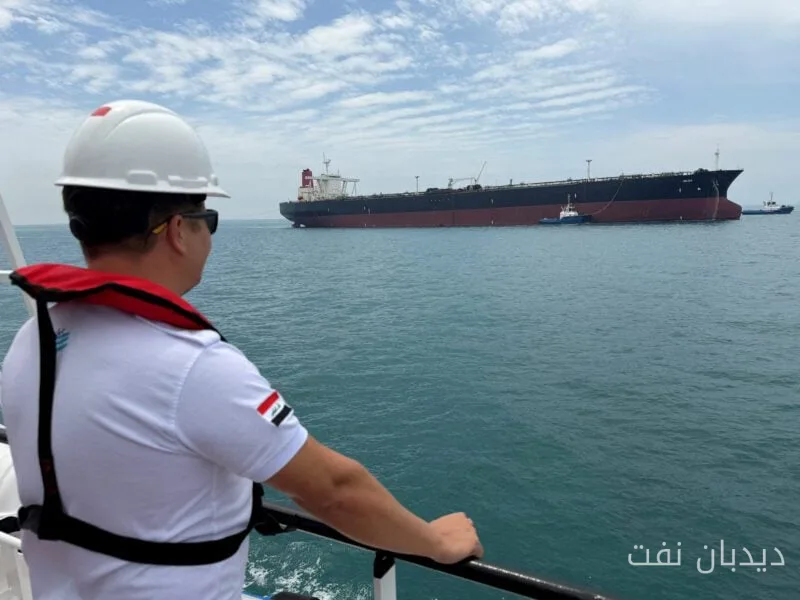
Tankers, especially in the Strait of Hormuz, continue to transport oil from the Middle East amid threats from aerial and naval attacks. These activities are carried out under the supervision and military support of the United States and contribute to the increase of global oil flow.
Difficult Conditions for Oil Transportation
The tanker HELGA, which began loading crude oil near the port of Basra, Iraq, on April 24, 2026, exemplifies the challenges faced by tanker crews. The captain of this tanker, with several years of experience, was forced to change course and contact the U.S. Navy upon witnessing an explosion ahead. This type of quick response in dangerous conditions is vital for maintaining oil flow to global markets.
Military Supervision and Increased Oil Flow
The Strait of Hormuz, one of the most important oil transportation routes in the world, has seen increased military activity and U.S. supervision in recent months. The U.S. Navy has assisted thousands of ships in passing through the Strait of Hormuz, thereby supporting energy producers in the Persian Gulf. Reports estimate that 17.5 million barrels of oil pass through this strait daily, contributing to the restoration of oil flow to pre-war levels.
Captains are in constant communication with the U.S. Navy and receive specific routes and waypoints for navigation through the Strait of Hormuz. These measures are taken amid the risk of aerial and naval attacks on tankers, and captains often navigate through the strait by turning off navigation equipment and using traditional navigation methods due to these risks.
Tanker operations are conducted under harsh conditions with minimal lighting and communication equipment. Captains and crews use coastal anchorages and lighthouses for navigation along the route. These conditions pose additional challenges, especially for crews from low-income countries like the Philippines and India. In return, due to the risks and challenges, higher wages and benefits are considered for them.



