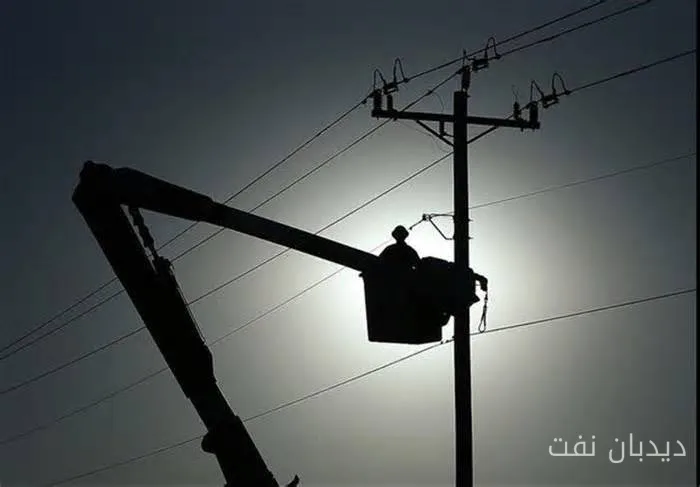
Blackouts in Iran continue despite the promises of Abbas Aliabadi, the Minister of Energy, raising serious concerns for the autumn season. It seems that energy imbalance has turned into a serious crisis, exacerbated by infrastructure problems, inflation, and other economic issues.
Promises of the Minister of Energy and the Reality of Blackouts
Abbas Aliabadi promised at the beginning of August that the blackout issue would be resolved by mid-September. He referred to the country's wartime conditions and their impact on energy infrastructure, stating that many facilities have been damaged. Aliabadi expressed optimism, saying that with dedicated efforts, the damages are being resolved quickly.
Read more: Adnan Faihan Al-Dulaimi: The ban on Iranian flights is a threat to Iraq's economy
However, in the early days of autumn, blackouts continue as they did in summer, raising fears that their severity may increase by winter. Meanwhile, Aliabadi had also stated in August that the duration of blackouts should not exceed two hours. Yet, the reality shows that many citizens are facing power outages longer than this time.
Factors Affecting Energy Imbalance
Experts believe that the electricity imbalance cannot be solved solely by building new power plants; it requires reforms in production, consumption, management, and policymaking. Ali Moradian, an energy expert, stated that imbalance occurs when electricity consumption exceeds production or transmission capacity, resulting in blackouts and pressure on the grid.
Moradian pointed out that reforming consumption patterns is one of the most important solutions. According to him, a large portion of electricity consumption in Iran is related to high-consumption appliances and non-standard buildings. If consumption culture is reformed, a significant part of the crisis can be managed without building new power plants.
On the other hand, Mostafa Rajabi Mashhadi, Deputy for Electricity and Energy at the Ministry of Energy, announced that the capacity of solar power plants has increased from 1250 megawatts at the beginning of the government to 5800 megawatts, with an additional 100 megawatts being added to the country's electricity production capacity each week. Meanwhile, Aliabadi referred to power outages in neighboring countries and claimed that the majority of the network's needs are being met in Iran.
Given the current conditions, it seems that the energy imbalance crisis has become a serious challenge for the Iranian government and people, requiring serious planning and reforms in the energy sector.
Read more: Genco Shipping & Trading extended the legal program for shareholders until 2027 · Iran's electricity imbalance is due to natural gas limitations and the transmission network