Iran's electricity imbalance in winter is influenced by multiple factors, one of the most important being the reliance on natural gas as the main fuel for power plants. About 80 percent of the country's power generation capacity is thermal, meaning that gas imbalance directly leads to electricity imbalance.
Winter Cold and Increased Demand
In 2024, of the total 244 billion cubic meters of gas consumed in the country, 31 percent was allocated to power plants and 28 percent to the residential sector. As cold days begin, household heating takes priority, which may reduce the gas allocated to power plants. This change in consumption patterns puts additional pressure on the electricity grid.
Read more: Deputy Speaker of the Iraqi Parliament: The ban on Iranian flights is harmful
Geographical Mismatch
Over 90 percent of gas production resources are located in the southernmost parts of the country, while more than 70 percent of residential and commercial gas consumption is concentrated in the northern half. For example, in Golestan province in winter 2025, only 35 percent of the gas needed for power plants was supplied. In such conditions, fuel limitations can reduce local production and impose a heavier burden on the electricity transmission network.
This issue indicates that electricity imbalance is not limited to a lack of production capacity, but the capacity of the network for electricity transmission must also be considered. Currently, the transmission capacity through the 400 and 230 kV lines of Iran's national electricity grid is a maximum of about 4300 megawatts, and this capacity is projected to develop to about 10,000 megawatts.
Development of the Electricity Transmission Network
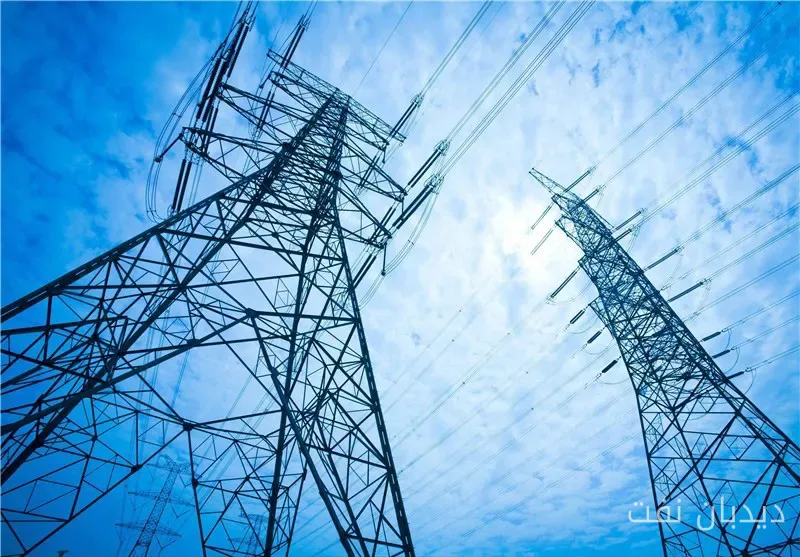
To solve the electricity imbalance problem, the development of the transmission network is of special importance. In development scenarios, increasing production capacity in southern regions, the Makran coast, and the Bushehr nuclear power plant has been considered alongside the development of the transmission network. In this regard, the idea of creating a high-capacity electricity transmission corridor with a voltage level of 765 kV is under review.
Increasing voltage leads to reduced current and consequently, reduced resistive losses in the lines. However, experiences from other countries have shown that increasing voltage also comes with new challenges. Careful design and management of these challenges are essential for the successful implementation of the new transmission network.
Technical Challenges and Previous Studies
The issue of using higher voltage levels in Iran's electricity network is not new. The Ministry of Energy has been pursuing this topic from various aspects for over a decade. Additionally, studies conducted from 1973 to 1977 examined the feasibility of using EHV voltage levels. Given the long distances between different regions of the country, the need for a network capable of power exchange has been felt for some time.
Therefore, electricity imbalance in Iran is not only due to the increased electricity consumption in recent years but also due to the country's geography and the distance between production and consumption centers, posing a fundamental challenge that requires attention and comprehensive solutions.
Read more: Genco Shipping & Trading extends the legal program for shareholders until 2027 · TotalEnergies and SOCAR agreement for gas exports to Turkey



