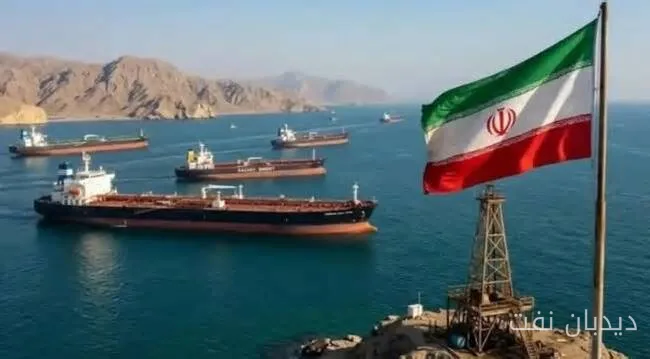
Shipping restrictions in the Strait of Hormuz have deeper impacts than what is assumed on the oil market and global prices. Especially in a situation where rising oil prices and the failure of the United States to restore the status of this waterway to normal has created new challenges for Iran.
Economic Impacts
The Strait of Hormuz, as one of the most important waterways in the world, plays a vital role in global oil trade. According to statistics, about 20 percent of the world's oil passes through this strait. As a result, any change in the shipping conditions and security of this region can have significant effects on global oil prices. In recent months, due to increasing tensions in this area, we have witnessed a rise in oil prices.
Read more: Sanctions on Iran's Energy Transport Network Affect Regional Trade Competition
Upcoming Challenges
With the continuation of these restrictions, Iran is facing more serious challenges regarding its oil exports. These restrictions not only affect Iran's oil exports but also generally harm the country's economic situation. Moreover, the failure of the United States to restore conditions to their previous state exacerbates these challenges and indicates an increase in geopolitical complexities in the region.
In this regard, analysts believe that the continuation of this situation could lead to a spike in oil prices in global markets. Especially considering that other countries are also seeking to meet their energy needs, any disruption in shipping from this strait could lead to supply shortages and consequently increase prices.
Ultimately, it is necessary for the countries involved in these issues, especially Iran and the United States, to seek solutions to reduce tensions and improve shipping conditions in the Strait of Hormuz. This will not only benefit the economies of these countries but could also help stabilize global oil markets.
Read more: Analysis of the Impact of the Yemen War on Maritime Transport in the Persian Gulf · Increase in Iran's Oil Production to 3 Million and 715 Thousand Barrels in October 2025