China has recently introduced the name 'Nanhai Zhudao' (Nanhai Zhudao) to describe an area in the South China Sea that includes four groups of islands. This action follows the ruling of the Permanent Court of Arbitration in The Hague in 2016, which deemed China's claims regarding historical rights within the nine-dash line to be without legal basis.
Escalation of Tensions in the South China Sea
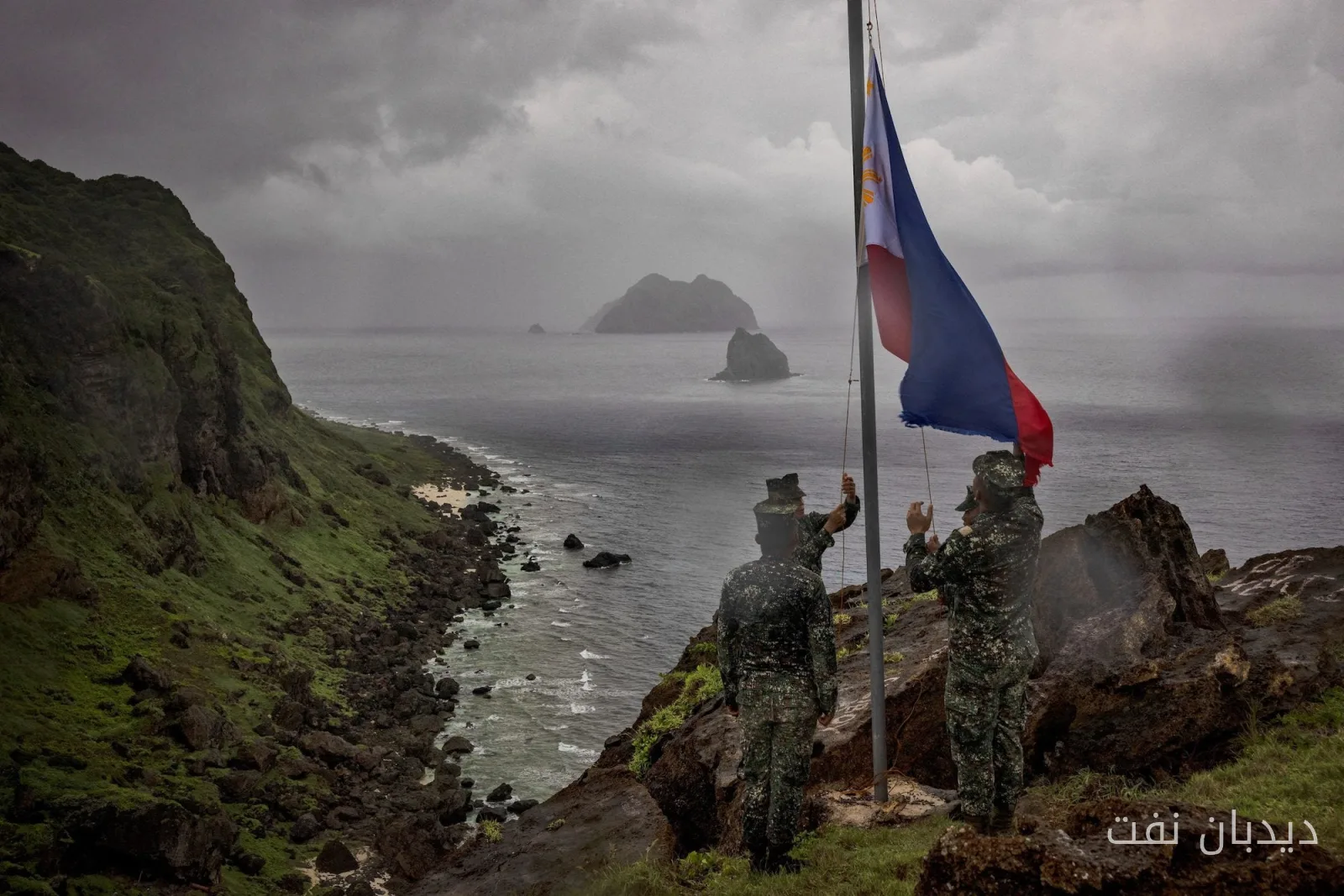
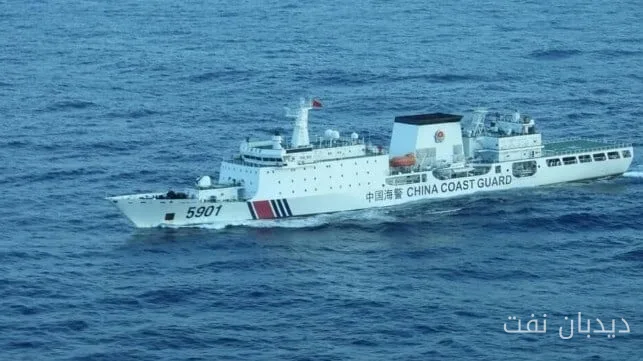
In recent months, tensions in the South China Sea, particularly with the Philippines, have intensified. Reports indicate maritime clashes between Chinese coast guard vessels and fishing boats supported by Philippine maritime organizations in the Scarborough Shoal and Second Thomas Shoal areas. The Philippines is attempting to secure its presence at the stranded BRP Sierra Madre (LT-57) in these regions.
Read more: The Killing of an Indian Sailor in the Attack on the Cape Dao Oil Tanker in the Strait of Hormuz
These tensions have escalated following the public dissatisfaction expressed by Philippine Defense Secretary Gilberto Teodoro Jr. at a defense dialogue conference in Seoul on September 8. This situation has led to a counter-offensive from China.
Efforts to Strengthen Claims
Since 2016, China has gradually used the term Nanhai Zhudao to describe four groups of islands, including Pratas Island, the Paracel Islands, Scarborough Shoal, and the Spratly Islands. In recent statements, China has referred to these islands as a single entity and introduced them under political management as the city of Sansha. These new concepts are being employed to strengthen China's claims in these areas.
While China seeks to bolster these claims, the Hague ruling specifically rejected the historical context as an irrelevant factor in judgments made under the United Nations Convention on the Law of the Sea (UNCLOS). Nevertheless, the Chinese have recently claimed that 'Nanhai Zhudao' is widely recognized by the international community as part of China's territory.
Territorial disputes in the South China Sea among China, Taiwan, Vietnam, the Philippines, Malaysia, and Brunei have reached a point where no party is willing to make concessions, and this trend could lead to serious conflicts. It seems that this region will remain a long-term arena for potential conflict.
Read more: Rescue of the Crew of the MSC Hermes III Oil Tanker After Abandoning Ship in Vietnam · China's Hengtong Company Signs Contract to Build Four Heavy Cargo Ships with ZPMC