The second American submarine was captured on Sunday by the Navy of the Islamic Revolutionary Guard Corps. This vessel is equipped with the Remus 600 system, designed for seabed mapping missions, underwater reconnaissance, mine detection, and environmental data collection. This event indicates the increasing military capabilities of Iran in the Strait of Hormuz and its impact on U.S. naval operations in the region.
Retreat of the U.S. Naval Fleet
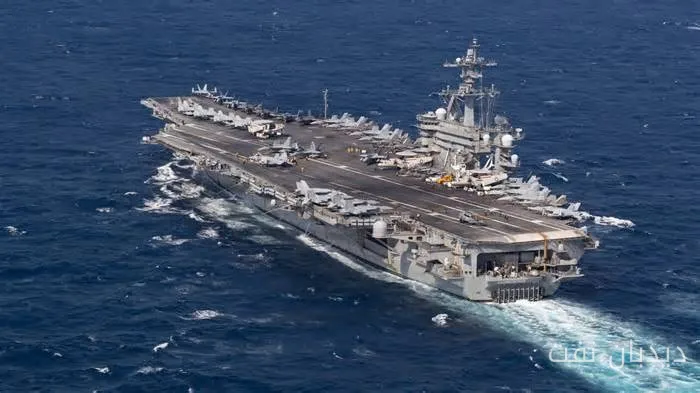
Alongside this development, signs of difficulties in U.S. naval operations around the Strait of Hormuz are evident. The naval fleet of this country has retreated completely from this waterway due to fears of Iranian anti-ship ballistic missile attacks. These changes have shifted the balance of power in the Strait of Hormuz in favor of Iran, turning the Persian Gulf into a showcase of a strategic reality.
Read more: The Islamic Consultative Assembly is reviewing a new plan for managing the Strait of Hormuz
Analysis of Ship Traffic
Statistics related to ship traffic in the Strait of Hormuz clearly show that the situation before the war and the average traffic in the first 12 days of the war have been significantly affected. The conditions after the start of the second blockade (from July 8 to August 22) also reflect the reality that Iran has been able to dominate maritime activities in this area.
Overall, the current situation in the Strait of Hormuz and the shift in the balance of power in favor of Iran clearly indicate this country's regional power and serious challenges for the United States in naval operations. These events not only affect maritime security but will also impact political and military equations in the region.
Read more: Iran's proposal to open the Strait of Hormuz and resume negotiations was rejected · Adnan Faihan Al-Dulaimi's protest against the suspension of Iranian flights to Iraq



