Transit restrictions from maritime straits, especially during military operations in Iran from February 2026, have attracted significant attention. The Strait of Hormuz and the Bab-el-Mandeb Strait, which connect the Persian Gulf and the Red Sea to the Indian Ocean and global shipping routes, are at the center of this attention. Previously, the Federal Maritime Commission (FMC) had initiated comprehensive research titled "Review of Transit Restrictions in International Maritime Straits," emphasizing seven key passages.
Recent Developments in the Panama Canal
The FMC's research refers to the 2021 incident of the EVER GIVEN ship in the Suez Canal, which blocked this vital route for six days and created serious problems for maritime traffic. In addition to wars, natural disasters can also lead to transit restrictions. Weather conditions, particularly sandstorms and strong winds, can impact the straits. In 2026, the historic El Niño phenomenon caused further issues in maritime restrictions.
Read more: Education: Classes Will Not Be Canceled Due to Energy Carrier Shortages
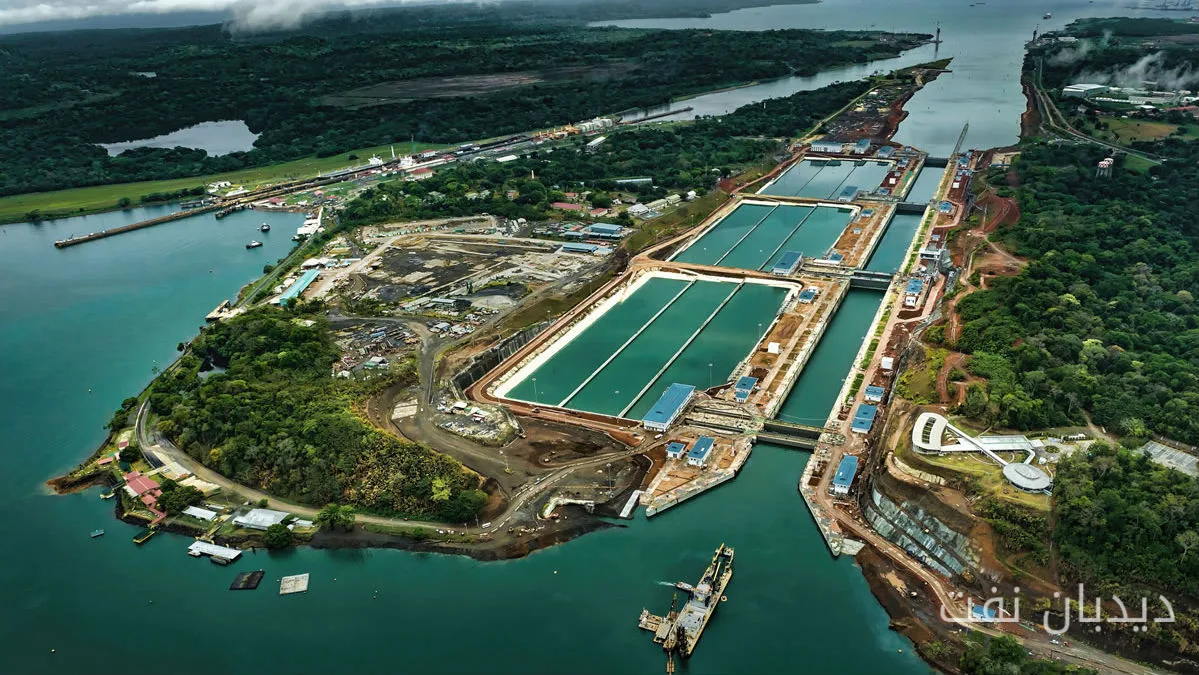
The water level in Gatun Lake, which controls the passage of ships through the Panama Canal, has significantly decreased due to severe drought caused by the "Super El Niño" phenomenon this year. This has led to transit restrictions and a reduction in the number of ships allowed to pass daily. As of September 1, 2026, the maximum number of transiting ships was reduced to 34, and this number decreased to 32 from September 15. While it was anticipated that this number would drop to 29.5 in October, the Panama Commission announced that no further reductions would be necessary.
Financial and Legal Implications
These restrictions have led to auctions by the Panama Commission to determine transit rights, resulting in new records in bidding. For instance, the transit right for a liquefied natural gas ship was sold on September 1 for $5.3 million, which represents a significant increase from the previous record of $4.6 million in August.
This situation directly impacts the conditions of charter party (C/P) contracts. Delays caused by transit restrictions can affect the ability of chartered ships to deliver cargo on time. At the end of the C/P contract, the delivery time of the ship may face issues due to restrictions. In many cases, the delivery time is considered approximate unless the contract explicitly states otherwise.
The current conditions of the Panama Canal and transit restrictions due to the war in Iran require special attention to the conditions of ship rental contracts for owners and charterers. If the delivery voyage of the ship is from the Pacific Ocean to the delivery port in the Caribbean, special attention must be paid to the possibility of completing this voyage on time. These issues also apply to ships passing through other straits facing wartime restrictions.
Read more: General Safavi: Smart Management of the Strait of Hormuz is Iran's Main Strategy · Pelagic Partners Company Leased the UBC Houston Tanker to a Major Commodity Trader



