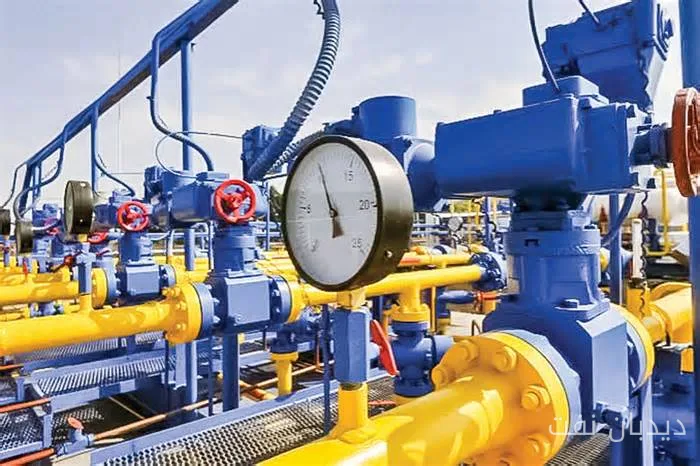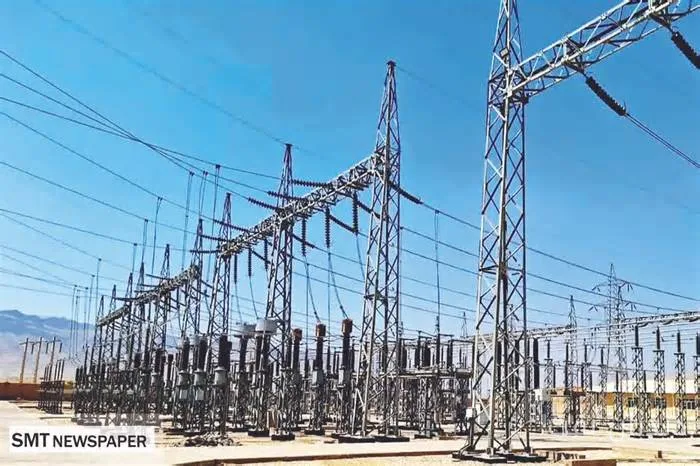
The challenges of electricity imbalance in Iran have become particularly evident this summer. Arash Najafi, the head of the Energy Commission of the Iran Chamber of Commerce, has pointed to the roots of this imbalance and the need for investment in this sector while reviewing the state of the country's electricity industry.
Roots of Electricity Imbalance
The Iranian electricity industry experienced growth and self-sufficiency from 2000 to 2003, but since the Islamic Consultative Assembly halted the process of updating electricity prices, this industry has faced serious problems. This decision led to a decrease in motivation for upgrading the electricity industry and a sharp decline in investment in the construction of new power plants.
Read more: The European Commission has called on member countries to reduce gas and electricity consumption
Najafi emphasizes that stabilizing prices in the past was temporarily attractive, but over time, the problems of electricity shortages became apparent and reduced the private sector's motivation to enter the electricity industry. Despite the government's efforts to expedite the construction of power plants, economic issues and foreign debts hindered achieving desirable results.
Impact of Climate Change and the Need for Immediate Solutions
According to statistics, last year nearly 20,000 megawatts of electricity shortage was recorded, which led to a reduction in water reserves due to excessive use of hydroelectric power plants in the cold season. Following favorable rainfall at the end of 2025, we managed to supply 15% of the country's electricity from hydroelectric power plants. However, these measures have not been able to completely prevent electricity imbalance.
This year, despite the President's orders not to cut electricity to industries, due to considerations from the Ministry of Energy, electricity to industries was cut in some areas. Najafi emphasizes the importance of adopting effective measures regarding investment and optimizing energy consumption. He suggests that supportive policies for electricity producers and the development of renewable energy should be prioritized.
The Necessity of Changing Perspectives on Renewable Energies
Najafi also pointed out the necessity of allocating foreign currency resources to the renewable energy sector and emphasized that this area can significantly contribute to the country's economy. Despite existing limitations, investment in clean and renewable energy should be prioritized.
It seems that by establishing regulatory bodies for the electricity and energy industry, we can help improve the situation of electricity imbalance. Additionally, the development of wind and geothermal energy projects in the country provides new opportunities for investment.
Ultimately, if necessary actions for the renovation and optimization of outdated power plants are not taken, the severity of the imbalance will increase in the future, which will not be beneficial for the economy and the electricity industry of the country.
Read more: The CEO of the National Gas Company of Iran: 109 energy conservation contracts were signed · PTTEP and Valeura Energy made the final investment decision for the development of the Bussabong gas field